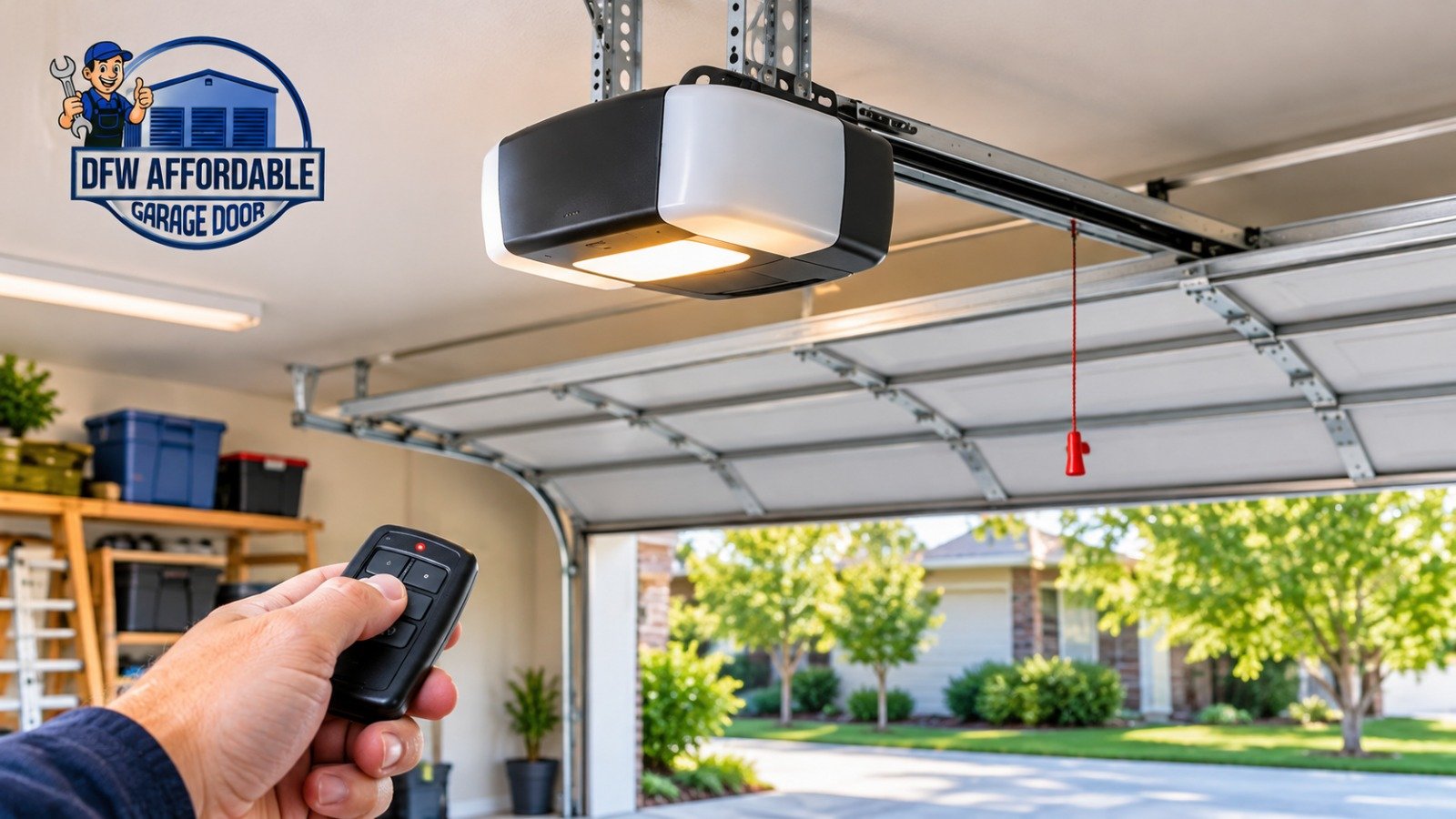

A garage door opener does more than lift and lower your garage door. It controls daily access to your home, supports security, and helps the entire door system operate smoothly. When the opener starts making unusual noises, responds slowly, or stops working, it can quickly disrupt your routine.
Choosing the right Garage Door Opener also requires understanding how different drive systems work, which features are useful, and what maintenance keeps the equipment running properly. Whether you are upgrading an older system or dealing with an existing problem, knowing these details can help you make a better decision.
How Does a Garage Door Opener Work?
An automatic garage door opener uses an electric motor and a drive mechanism to move the door along its tracks. When you press a remote control, wall button, or connected smartphone app, the motor activates and moves the garage door through its opening or closing cycle.
The system also relies on safety sensors, travel limits, and force settings. Safety sensors near the bottom of the door opening detect objects in the door’s path and help prevent accidental closure. Travel limits control how far the door moves, while force settings regulate the amount of force used during operation.
All these components need to work together. A problem with the motor, wiring, sensors, or door balance can affect the entire system.
Different Types of Garage Door Openers
Not every opener works the same way. The main difference between models is their drive mechanism, which affects noise, performance, and installation requirements.
1. Chain Drive Garage Door Opener
A chain drive system uses a metal chain to pull the garage door along its track. It is a common option for homeowners who need a dependable opener for regular use.
Chain drive models are generally durable and suitable for many standard garage doors. However, they can produce more vibration and noise than other systems. This may be noticeable when the garage is directly below or beside a bedroom.
2. Belt Drive Garage Door Opener
A belt drive opener uses a reinforced rubber or similar belt instead of a metal chain. This design allows the door to move with less vibration and quieter operation.
It is particularly useful for attached garages where household members may hear the opener from inside the home. Although belt drive models can cost more initially, their quieter performance makes them an attractive upgrade.
3. Screw Drive Garage Door Opener
Screw drive systems move the door using a threaded steel rod that rotates to operate the lifting mechanism. They have fewer moving components than some other drive systems.
Their performance can vary depending on the model and climate. Temperature changes may affect lubrication and operation, so following the manufacturer’s maintenance instructions is important.
4. Wall-Mount Garage Door Opener
A wall-mount or jackshaft opener is installed beside the garage door rather than on the overhead ceiling track. It connects to the torsion bar and moves the door through that mechanism.
This option can be useful in garages with limited ceiling space, high ceilings, or overhead storage requirements. However, the door must have a compatible torsion spring system.
Signs Your Garage Door Opener Needs Attention
An opener rarely stops working without showing some warning signs. Recognizing these changes early can help prevent a complete system failure.
Look for the following symptoms:
- Unusual operating noise: Grinding, buzzing, or excessive vibration may indicate worn gears, loose hardware, or motor problems.
- Remote control problems: If the remote stops responding, the issue could involve its batteries, programming, signal interference, or the opener’s receiver.
- Door stops halfway: Incorrect travel limits, sensor problems, or mechanical resistance may prevent the door from completing its movement.
- Motor runs without lifting the door: Worn internal gears, a disconnected drive mechanism, or a mechanical problem may be responsible.
- Door reverses unexpectedly: Misaligned safety sensors, incorrect force settings, or an obstruction can cause unexpected reversal.
These symptoms do not always mean the opener needs replacement. A proper inspection can identify whether the problem involves the opener itself or another part of the garage door system.
Smart Garage Door Opener Features Worth Considering
Modern openers offer features that make everyday garage access more convenient. Before purchasing an upgrade, consider which functions you will actually use.
WiFi Connectivity: A smart garage door opener allows you to monitor and control compatible systems through a smartphone application.
Remote Access: Depending on the model, you can check whether the garage door is open or closed and operate it remotely.
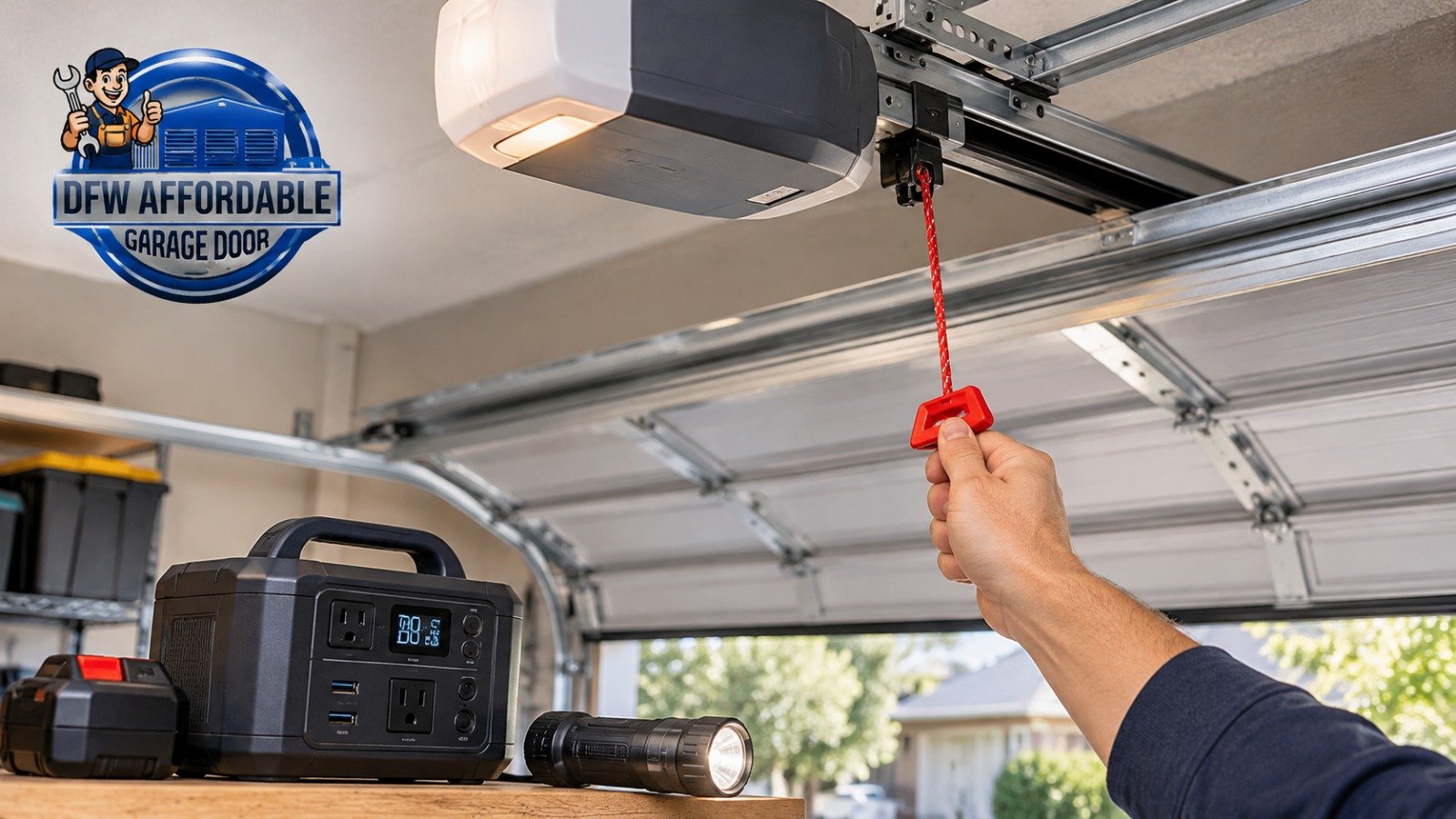
Battery Backup: This feature allows compatible openers to operate during certain power outages, providing additional convenience when electricity is unavailable.
Rolling Code Security: Rolling-code technology changes the access code with each remote operation, helping reduce the risk of code duplication.
Keypad Entry: An exterior keypad provides access through a programmed PIN without requiring a traditional remote control.
When comparing smart systems, check compatibility with your existing door, available accessories, and the manufacturer’s requirements.
Garage Door Opener Maintenance Tips
Regular maintenance helps identify developing problems before they affect daily operation. Although the opener requires less frequent attention than some mechanical components, it should still be included in your garage door maintenance routine.
Consider these practical steps:
- Inspect safety sensors: Make sure the sensors are aligned, clean, and free from obstructions.
- Check the remote and keypad: Test the controls and replace weak remote batteries when necessary.
- Listen during operation: Pay attention to new grinding, clicking, or buzzing sounds.
- Inspect visible hardware: Look for loose mounting brackets, damaged wiring, or signs of excessive vibration.
- Follow lubrication instructions: Use only manufacturer-approved products on the components that require lubrication.
- Test the safety reversal system: Follow the manufacturer’s testing procedure to confirm that the door responds correctly to an obstruction.
Never adjust torsion springs, cables, or high-tension components yourself. These parts can cause serious injuries if handled incorrectly.
When Should You Repair or Replace a Garage Door Opener?
The decision depends on the opener’s age, condition, repair requirements, and compatibility with your existing garage door.
Repair may be appropriate when the problem involves a remote, sensor alignment, wiring connection, or another serviceable component. Replacing the entire system may make more sense when the motor has failed, internal components are extensively worn, or replacement parts are no longer available.
You should also consider upgrading if your current opener lacks features that are important to your household, such as smartphone access or battery backup.
A professional inspection helps determine whether a repair is practical or whether a new system offers better long-term value.
Professional Garage Door Opener Services in DFW
A malfunctioning opener can affect access, convenience, and the safe operation of your garage door. The right solution starts with identifying the actual cause instead of replacing parts without proper diagnosis.
DFW Affordable Garage Door provides garage door opener repair, installation, and replacement services throughout Dallas–Fort Worth. Our services include motor troubleshooting, sensor adjustments, remote and keypad programming, and new opener installations for compatible residential and commercial systems.
Whether your opener is making unusual noises, refusing to respond, or struggling to lift the door, professional assistance can help restore reliable operation.
For dependable Garage Door Opener services in DFW, contact DFW Affordable Garage Door at (469) 949-1708 to discuss your garage door needs.
Frequently Asked Questions
How long does a garage door opener usually last?
Many garage door openers last around 10–15 years, although actual lifespan depends on usage, maintenance, installation quality, and operating conditions.
Why does my garage door opener make a buzzing sound?
A buzzing sound may indicate a motor issue, electrical problem, or mechanical resistance. A professional inspection can help identify the cause.
Is a belt drive opener better than a chain drive opener?
Neither is universally better. Belt drive systems are generally quieter, while chain drive systems are often chosen for their durability and lower initial cost.
Can I use my smartphone to open my garage door?
Yes. Compatible smart garage door openers offer smartphone control through WiFi and their manufacturer’s applications.
When should I call a professional for opener repair?
Contact a professional if the motor fails, the door reverses unexpectedly, the opener struggles to lift the door, or the system shows signs of electrical or mechanical damage.