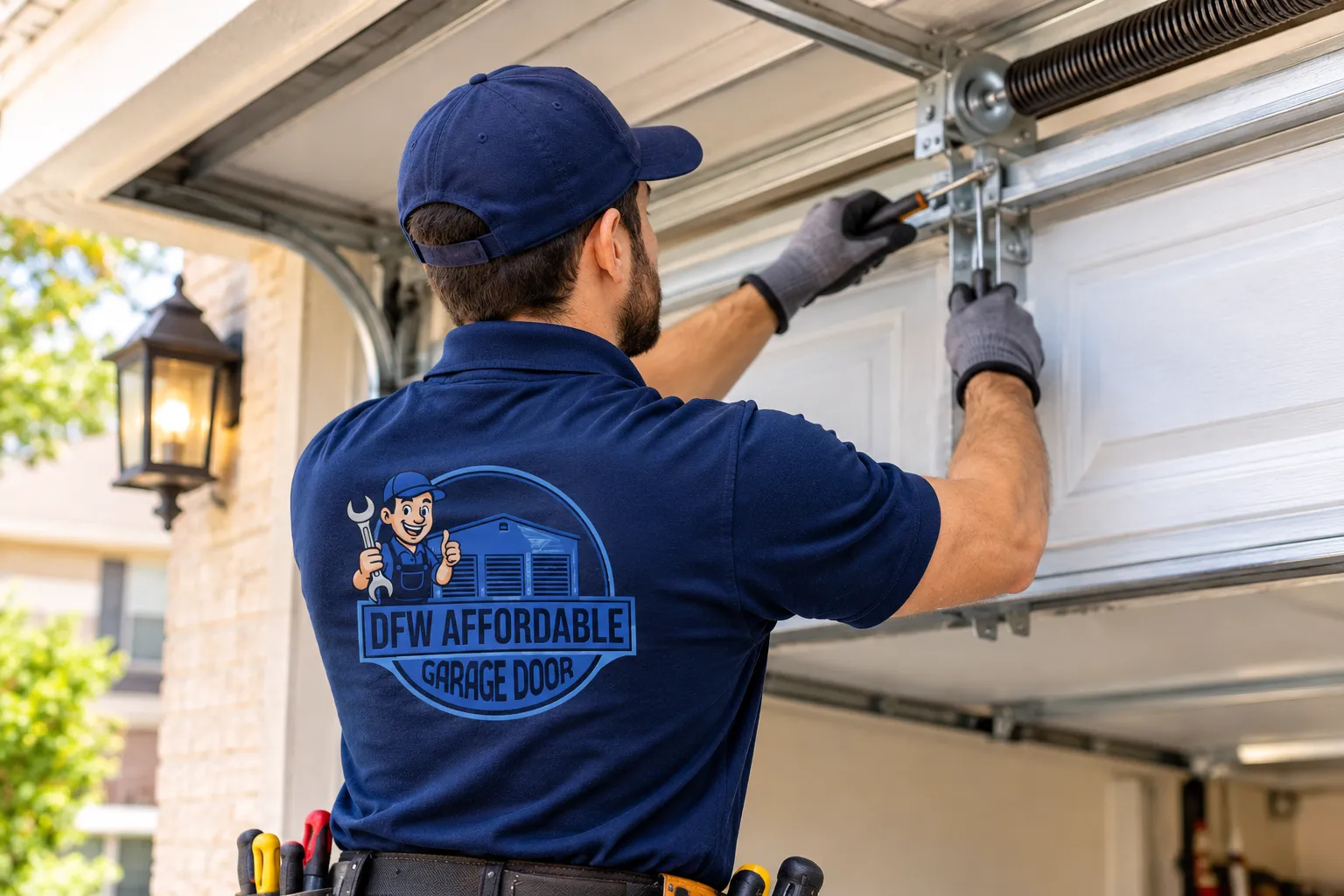

A garage door can stop working at the worst time. It may refuse to open before work or get stuck when you need to park your car. These problems can often start with small signs of wear. DFW Affordable Garage Door helps homeowners understand the value of routine care and timely repairs.
Most garage doors move several times each day. This repeated use puts pressure on springs, rollers, cables, hinges, tracks, and the opener. Over time, these parts can wear down or lose their proper fit.
Regular garage door maintenance helps you spot problems before they turn into major repairs. It can reduce sudden faults, improve daily operation, and help protect your family. You do not need to wait for a loud noise or a stuck door before taking action.
So, what should you check, and when should you call a technician? This guide explains the main parts of a garage door, basic care steps, common repair costs, and how to choose a local service provider in the Dallas-Fort Worth area.
Why regular garage door care matters
A garage door is one of the largest moving parts of your home. Its parts must work together each time the door opens or closes. If one part starts to fail, it can affect the full system.
For example, worn rollers may cause the door to shake. A loose track can make it move unevenly. A weak spring may put extra pressure on the opener. Small faults like these can lead to larger problems if left unchecked.
Common signs of wear
You can often spot early trouble through sight and sound. Pay attention if your garage door:
- Makes grinding, scraping, or loud banging sounds.
- Moves slowly or stops during operation.
- Shakes or moves unevenly along the tracks.
- Has loose bolts, worn rollers, or damaged hinges.
- Opens only part of the way.
- Reverses without a clear reason.
These signs do not always mean you need a new door. A technician can check the system and explain whether a repair or part replacement is needed.
How routine checks help prevent breakdowns
A monthly visual check can help you notice damage before the door stops working. Look at the door panels, tracks, rollers, cables, and springs from a safe distance.
The Door & Access Systems Manufacturers Association (DASMA) recommends monthly safety checks and an annual visit from a trained door systems technician. Its guidance explains that regular care can help keep the door working safely and smoothly.
The safety reason matters too. A 2025 analysis of U.S. Consumer Product Safety Commission injury data estimated 163,324 emergency department-treated injuries linked to garage doors and openers during 2015–2024. This figure covers a ten-year period, not one year.
Routine care cannot prevent every fault. Still, it gives you a better chance of finding worn parts before they cause a sudden problem.
Garage door parts that need regular attention
A garage door has several parts that work as one system. Each part has a different job, so each needs the right type of care.
Springs and cables
Springs carry much of the door’s weight. They help the door open and close with less effort. Cables work with the spring system to support controlled movement.
Over time, springs can lose strength or break. Cables may become worn, rusty, or frayed. If you see a gap in a spring or damage to a cable, stop using the door and call a trained technician.
Never try to adjust or remove springs, cables, or bottom brackets yourself. These parts are under high tension and can cause serious injuries.
Rollers, hinges, and tracks
Rollers help the door move along its tracks. Hinges connect the door panels and allow them to bend as the door opens.
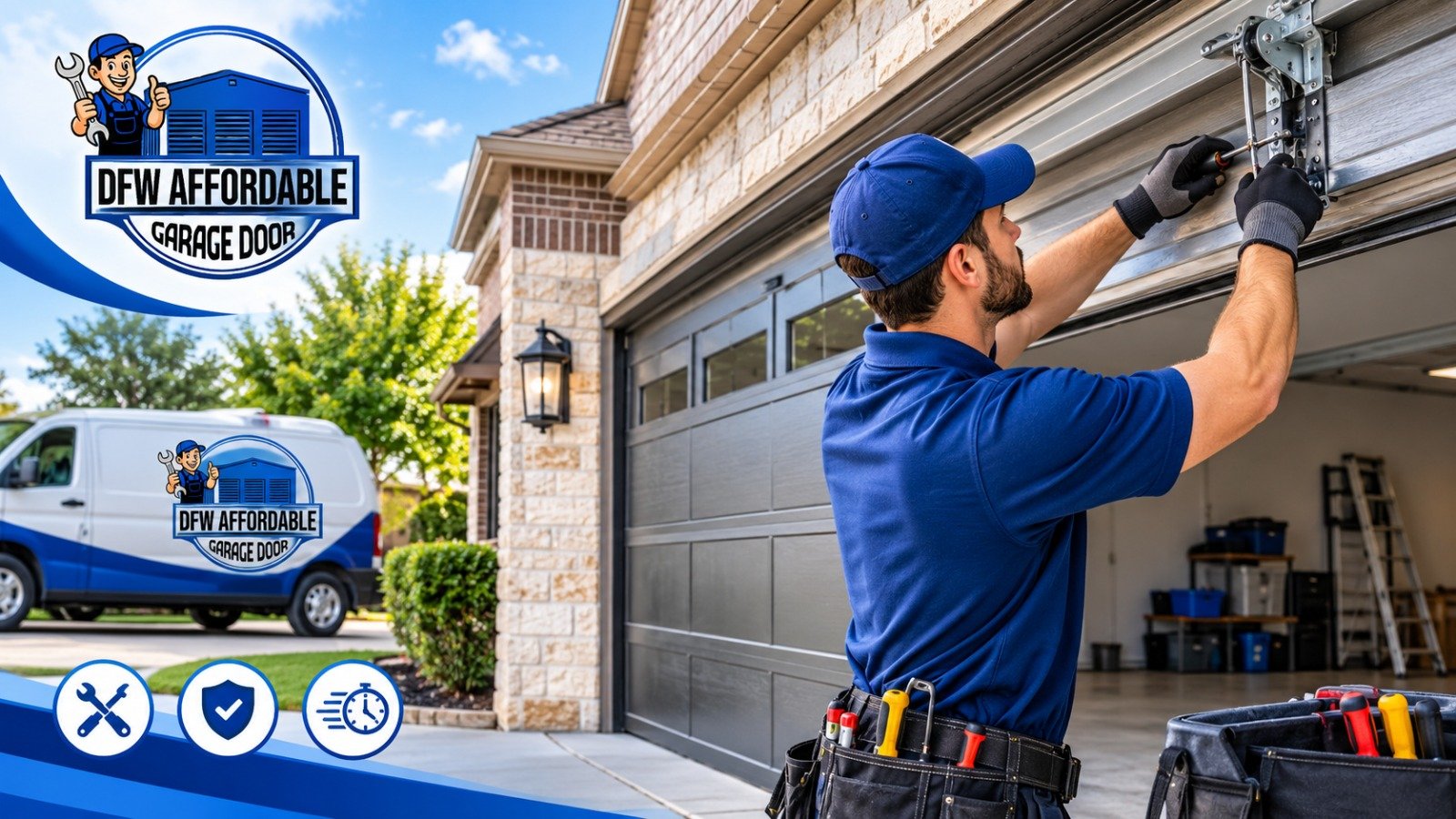
Check for cracked rollers, loose hinges, bent tracks, and visible dirt. A damaged roller can cause shaking or loud sounds. A bent track may stop the door from moving smoothly.
Keep the track area clear of objects. Do not bend a track back into place or loosen parts that support the door.
Garage door opener
The opener controls the door’s automatic movement. It includes a motor, drive system, controls, and safety features.
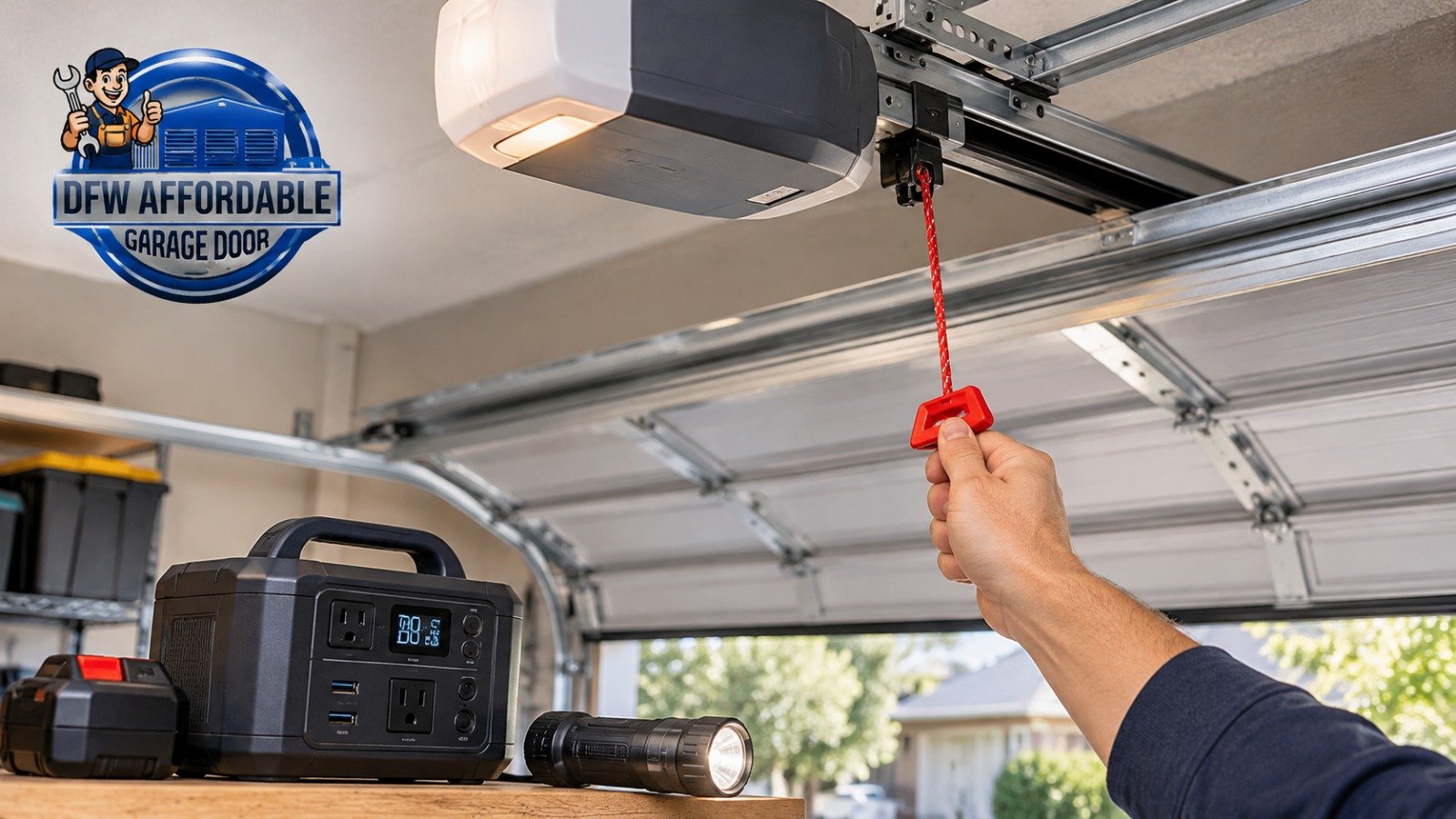
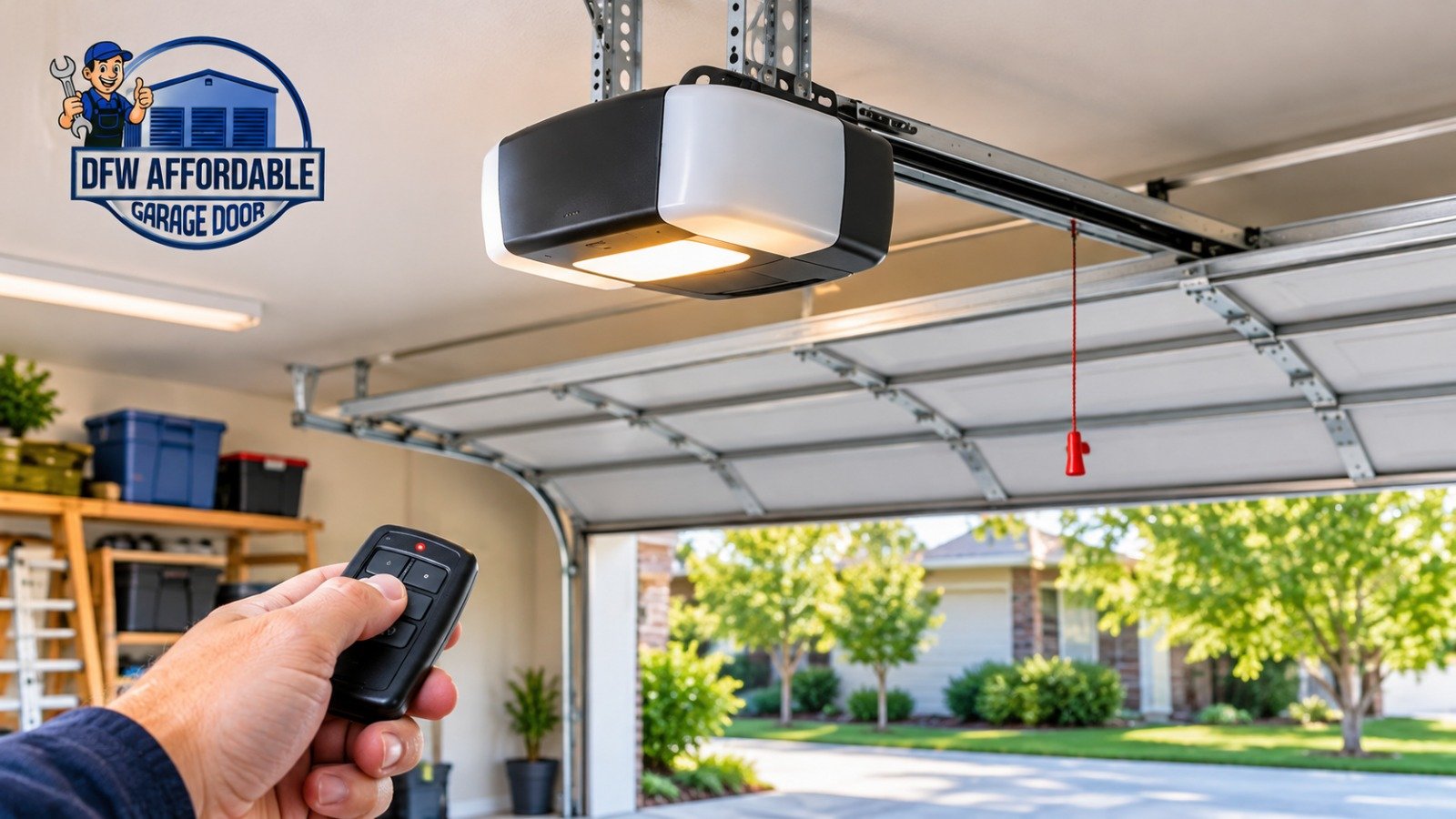
Listen for unusual sounds from the motor. Check whether the remote and wall button respond as expected. The safety sensors near the floor should stay clean and properly aligned.
If the opener struggles to lift the door, the problem may not be the motor. A door with poor balance can put extra strain on the opener. A technician should check the full system before replacing the motor.
Weather seals and door panels
The bottom seal helps block dust, water, leaves, and pests from entering the garage. Side and top seals help close gaps around the door.
Check the rubber for cracks, gaps, or signs of damage. In the Dallas-Fort Worth area, heat, rain, and changing weather can affect exposed seals over time.
Look at the door panels for dents, cracks, rust, or separation. A damaged panel may need repair or replacement, depending on its condition and the door design.
Comparing common garage door care options
| Service option | Main purpose | Best for |
|---|---|---|
| Monthly visual check | Spot visible wear or damage | Every homeowner |
| Routine lubrication | Reduce friction on approved moving parts | Doors with noisy hardware |
| Annual inspection | Check the full door and opener system | Regular home maintenance |
| Repair service | Fix worn or damaged parts | Doors showing faults |
| Full door replacement | Replace a badly damaged or outdated system | Doors beyond practical repair |
The right option depends on the door’s age, condition, and use. Check the manufacturer’s manual before applying any lubricant. Some parts, such as plastic rollers, should not be lubricated.
What happens during a garage door maintenance visit?
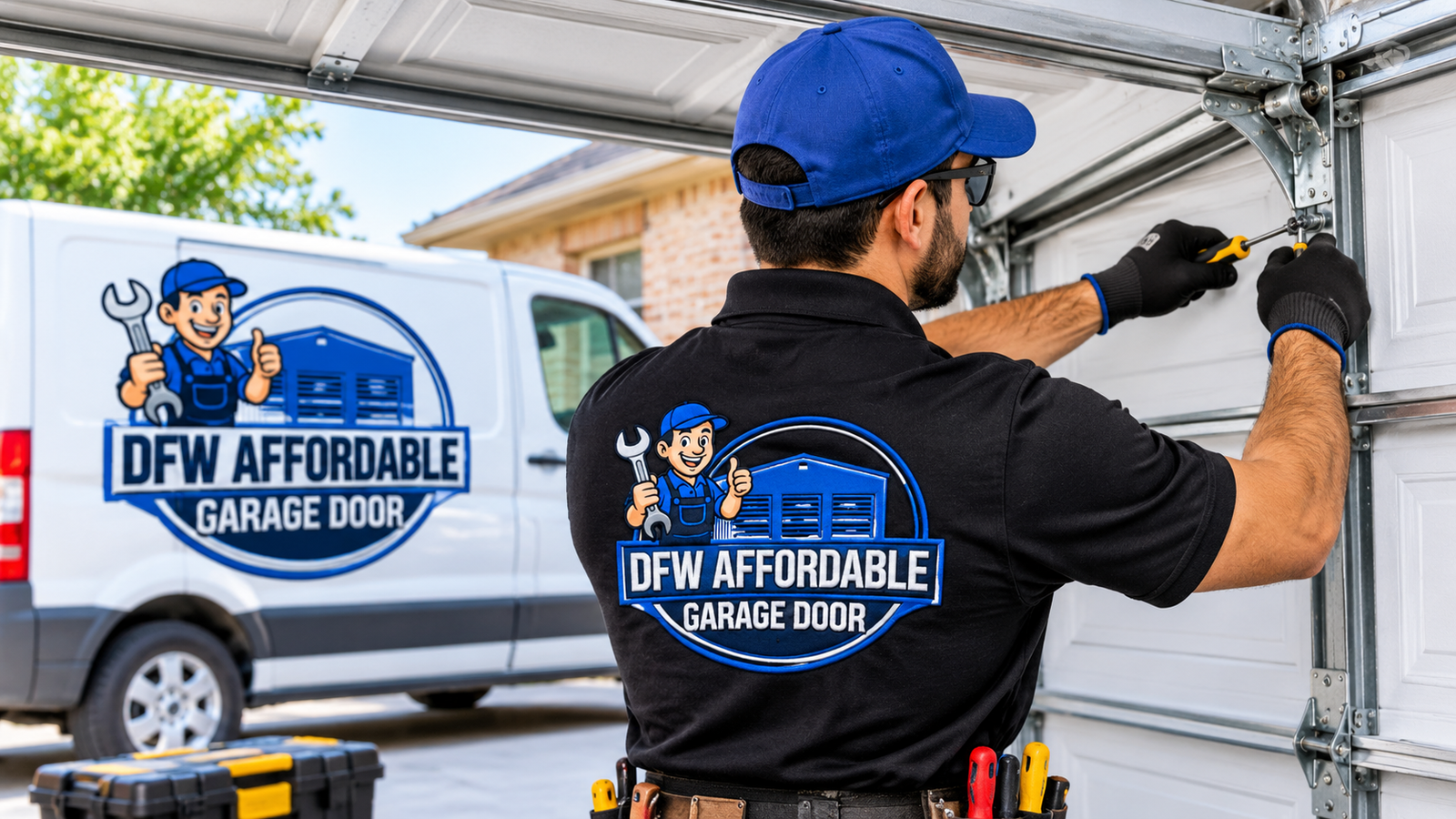
A professional visit should cover more than a quick look at the door. The technician should inspect the moving parts, test the opener, and explain any problems found.
Step 1: Visual inspection
The technician starts by checking the door panels, springs, cables, rollers, hinges, and tracks. They look for signs of wear, rust, loose hardware, and physical damage.
This first check helps identify parts that may need repair or closer testing.
Step 2: Check door movement and balance
The technician checks whether the door moves smoothly and stays in the correct position. An unbalanced door can place extra pressure on the opener and other parts.
A trained technician may disconnect the opener and test the door by hand. This work should follow the door manufacturer’s instructions.
Step 3: Inspect and test the opener
The technician checks the opener’s response, mounting points, drive system, and controls. They may test the wall button, remote, and automatic safety features.
The photo-eye sensors should stop the door from closing when their beam is blocked. The opener’s reversing system should work according to the manufacturer’s instructions.
Step 4: Check approved moving parts
Some garage door parts need periodic lubrication. The technician checks the owner’s manual and applies the correct product to suitable parts.
The tracks should stay free of grease and heavy dirt. Extra grease can collect dust and affect roller movement.
Step 5: Explain repairs and test the system
If the technician finds a fault, they should explain what needs attention and why. Ask for the repair price before approving extra work.
After the service, the technician should test the door through several opening and closing cycles. You should know which parts were checked, which parts were repaired, and whether any future work is needed.
Garage door maintenance costs in the Dallas-Fort Worth area
Many homeowners wait until a door stops working before calling for help. This can lead to a larger repair bill if several parts have worn out.
The price of garage door maintenance depends on the door type, its age, the condition of its parts, and the work required. A basic inspection is different from a visit that includes new rollers, cables, or opener repairs.
What affects the service price?
The main cost factors include:
- Type of service: A routine check usually involves less work than a repair visit.
- Door size and weight: Larger or heavier doors may need more time and suitable parts.
- Part condition: Worn springs, cables, rollers, and hinges can raise the repair cost.
- Opener type: Different opener systems need different parts and service steps.
- Access and damage: Bent tracks, damaged panels, or hard-to-reach parts can add labour.
- Appointment time: Emergency and after-hours visits may have extra charges.
Repair or replace the garage door?
A small fault does not always call for a full replacement. For example, a door with sound panels and tracks may only need new rollers or a spring repair.
A door with major panel damage, repeated faults, or serious track problems may need a wider repair plan. In some cases, replacing the full system may make more sense.
Ask the technician to explain both options when possible. Compare the cost of the repair with the age and condition of the door. This helps you make a choice based on the full cost rather than one part of the job.
A common DFW homeowner example
Imagine a homeowner in Fort Worth who hears a loud scraping sound each morning. The door still opens, so they keep using it.
A technician later finds worn rollers and a loose track bracket. Fixing the parts early may prevent more damage to the track and opener. The exact repair cost depends on the door and parts, but an early check gives the homeowner more options.
For this reason, it is worth arranging an inspection when you first notice a change in movement or sound.
How to choose a garage door service provider
Choosing a service company takes more than comparing the lowest price. You need a provider who understands garage door systems and can explain the work in clear terms.
Check garage door experience
Ask how long the company has worked with garage doors and which services it handles. Spring repairs, opener faults, track problems, and full door replacements require different skills.
A company that handles the type of work you need can give you a clearer repair plan.
Ask for a written estimate
Before work begins, ask for a written price. It should explain labour, parts, service charges, and any extra work that may be needed.
If the technician finds another fault during the visit, ask for an updated price before approving the repair.
Check safety practices
Garage door springs and cables can cause serious injuries if handled the wrong way. Ask whether trained technicians will carry out work on these parts.
A professional should not suggest that you loosen spring brackets or repair high-tension parts without proper training and equipment.
Review service details and warranty terms
Ask what the service includes and whether the company provides a warranty on parts or labour. Read the terms so you know what the warranty covers.
You can also check recent customer feedback for comments about communication, arrival times, pricing, and completed repairs.
Ask about local code requirements
Garage door work can involve building or electrical rules, depending on the job. The City of Fort Worth lists adopted building codes and local amendments, including the 2021 International Residential Code.
Routine checks are different from major construction or electrical changes. If your project involves structural changes, new wiring, or a change to the garage opening, ask the local building department which rules apply.
For homeowners in the DFW area, companies such as DFW Affordable Garage Door can be part of the local provider comparison. Ask about the service you need, the inspection process, and the written price before booking.
Frequently asked questions
How often should I schedule garage door maintenance?
DASMA recommends monthly safety checks and an annual visit from a trained technician. Your door may need more frequent service if it gets heavy daily use or shows signs of wear. Check the manufacturer’s manual for care instructions for your model.
What are the signs that my garage door needs maintenance?
Listen for grinding, scraping, or banging sounds. Watch for slow movement, shaking, or a door that stops before reaching the floor. Worn rollers, loose hardware, damaged cables, and poor balance can cause these problems. Stop using the door if you see serious damage.
Can regular garage door maintenance prevent sudden breakdowns?
Regular care can help you find worn parts before they fail. A technician can check springs, rollers, tracks, cables, and the opener. It cannot prevent every fault, but early repairs may reduce the chance of a sudden problem and help avoid further damage.
How much does garage door maintenance cost in DFW?
The price depends on the inspection, door type, and any repairs needed. A basic check will cost less than a visit that includes replacement parts. Ask local companies for a written estimate that lists labour, parts, and extra service charges.
Can I lubricate my garage door myself?
You may lubricate parts that the manufacturer lists for routine care. Use a product made for garage doors and follow the manual. Do not put grease on the tracks or lubricate parts that the manufacturer says should stay dry. Leave spring and cable work to a trained technician.
Why does my garage door make a loud noise?
Noise can come from worn rollers, loose hardware, dry moving parts, or a door that is out of balance. A grinding sound may point to a track or roller problem. If the noise starts suddenly or the door moves unevenly, arrange a professional inspection.
How long does a garage door maintenance visit take?
The time depends on the door’s condition and the work needed. A basic inspection may take less time than a visit that includes repairs or opener testing. Ask the company for an estimated time when you book the appointment.
When should I replace my garage door instead of repairing it?
Replacement may make sense if the door has major panel damage, repeated faults, or several worn parts. Repair may be a better choice when the main structure is in good condition. Ask for both repair and replacement prices before making your decision.
Does Texas require a permit for garage door repairs?
Permit rules depend on the type of work and the city where the property is located. A routine service visit is different from structural changes or electrical work. Check with your local building department before starting a project that changes the opening, structure, or electrical system.
Are garage door safety sensors part of routine maintenance?
Yes. The photo-eye sensors should be checked to confirm they respond when something blocks their beam. Keep the sensor lenses clean and free from objects. If the door closes when the beam is blocked, stop using the automatic function and arrange a service visit.
Keep your garage door working with regular care
A garage door can show signs of wear long before it stops working. Monthly visual checks, safe use, and an annual professional inspection can help you find problems early. Pay attention to unusual sounds, uneven movement, and damaged parts. Never try to adjust high-tension springs or cables yourself. If your door needs an inspection or repair, contact DFW Affordable Garage Door to ask about the service and request a written estimate. Regular care can help you avoid some sudden faults and keep daily access simple.