
A garage door opener is something most homeowners rely on every day without giving it much thought. It opens and closes your garage smoothly, keeps your home secure, and adds convenience to your daily routine. But like any mechanical system, it won’t last forever. Over time, wear and tear can affect its performance, making it less reliable and even unsafe.
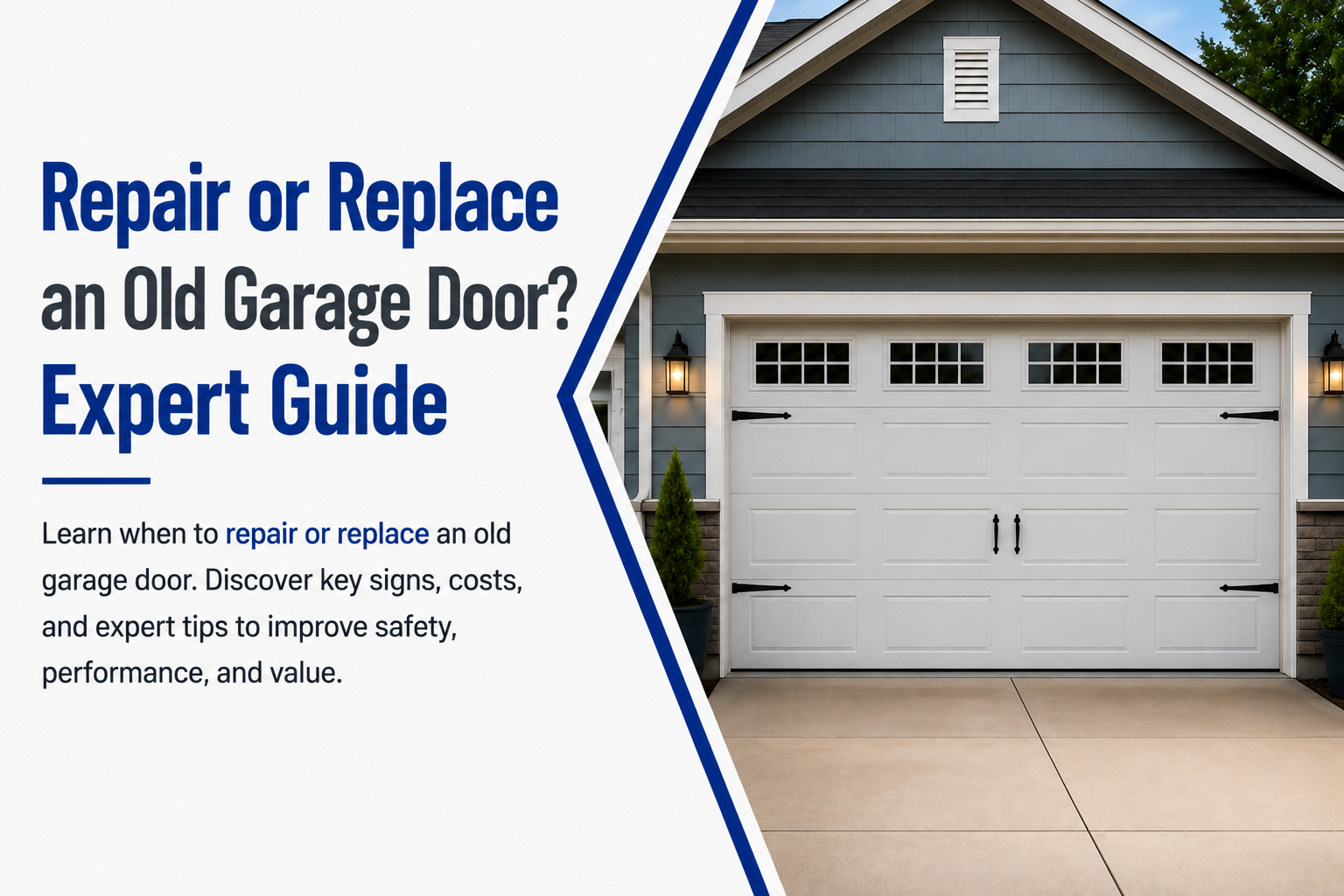
Many homeowners wonder whether they should invest in a garage door opener repair or choose a complete garage door opener replacement. While minor problems can often be repaired, there comes a point when replacing the unit is the smarter and more cost-effective decision. Continuing to repair an aging opener can lead to recurring expenses, unexpected breakdowns, and outdated safety features that no longer meet modern standards.
If you’ve been asking yourself should I repair or replace my garage door opener, understanding the warning signs can help you make the right decision before the opener fails completely. In this guide, we’ll explain the most common symptoms of a failing opener, when repairs are worthwhile, and why upgrading to a newer system can improve safety, reliability, and convenience.
Why Your Garage Door Opener Matters
Your garage door is one of the largest moving parts in your home, and the opener is the system that controls it. A dependable automatic garage door opener does much more than simply lift and lower the door. It protects your property, improves daily convenience, and helps prevent accidents.
A properly functioning opener works together with springs, tracks, cables, and garage door safety features to move the door smoothly. When one component begins to fail, it often places additional stress on the rest of the system. This is why ignoring small problems can eventually lead to more expensive repairs.
Regular garage door opener maintenance plays an important role in extending the life of the unit. Routine inspections allow technicians to identify worn components before they cause major failures. Lubricating moving parts, testing safety sensors, and checking the drive system all contribute to smoother operation and fewer unexpected breakdowns.
Modern openers also offer features that older models simply don’t have. Today’s systems include stronger security, quieter motors, battery backup options, Wi-Fi connectivity, and improved garage door automation. These upgrades not only make daily use easier but also provide better protection for your family and belongings.
When your opener begins showing signs of wear, it’s important to determine whether the issue is isolated or part of a larger decline. Knowing how to know if your garage door opener is failing can help you avoid sudden failures that leave your vehicle trapped inside or outside the garage.
Common Signs Your Garage Door Opener Needs Replacement
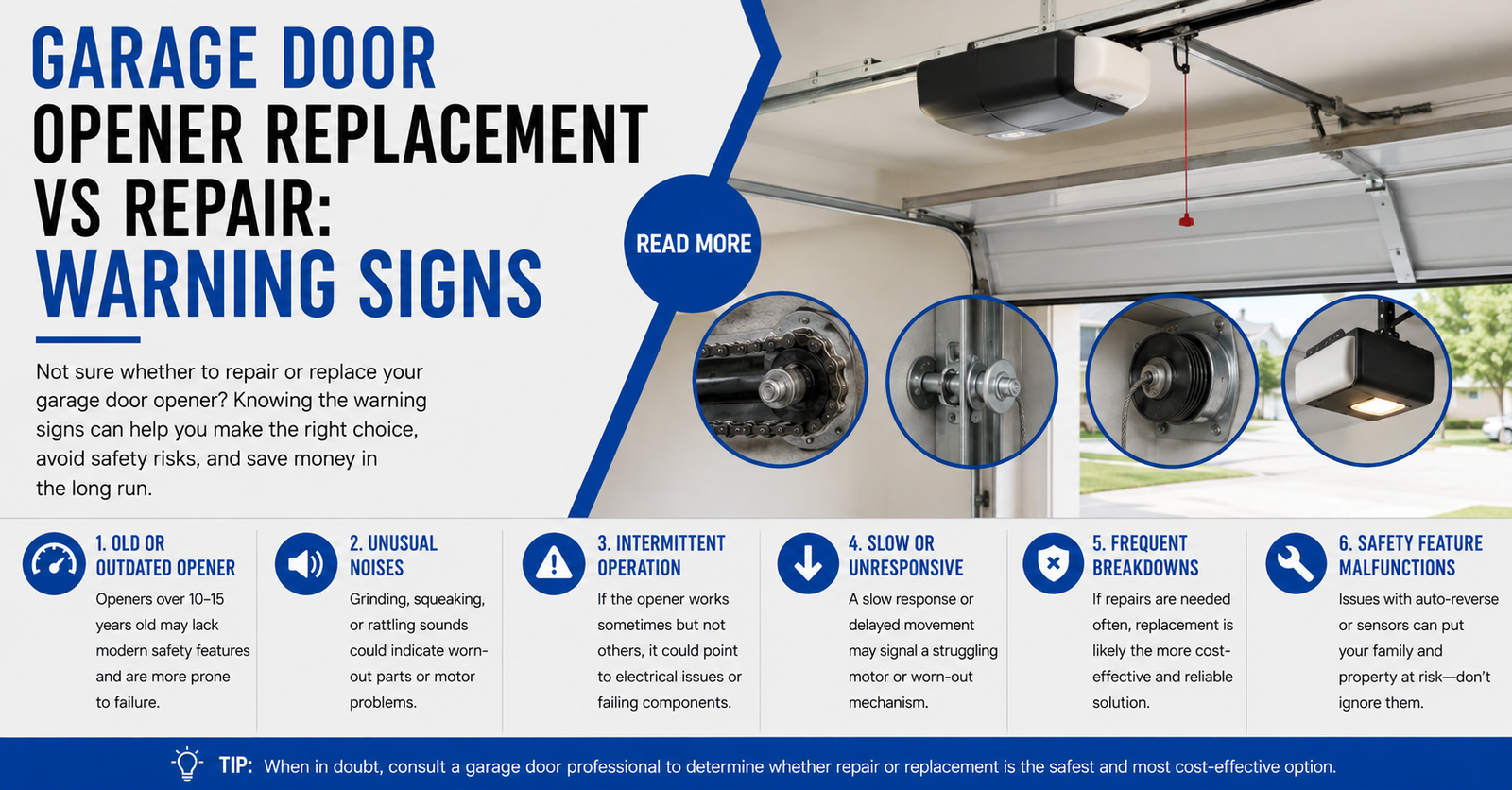
Recognizing the early warning signs can save you time, money, and frustration. While some issues are easy to fix, others indicate that your opener has reached the end of its lifespan. If you notice several of the following problems occurring together, a new garage door opener may be the better investment.
The Garage Door Opener Is More Than 10–15 Years Old
One of the biggest indicators that it’s time for a garage door opener replacement is age. Most residential garage door openers are designed to last between 10 and 15 years when properly maintained. After that period, internal components naturally begin to wear out, even if the opener appears to function normally.
Older models often lack many of today’s important safety improvements. Features like rolling code technology, enhanced garage door sensors, and smartphone connectivity were unavailable on many units manufactured years ago.
If your opener is more than a decade old, replacement parts may also become difficult to find. Repairing outdated equipment often costs more over time than investing in a modern unit with a manufacturer warranty.
In addition, aging motors become less efficient. They require more effort to lift the door, placing additional strain on gears, chains, belts, and the overall opener drive system. Eventually, repeated repairs become a cycle that costs more than replacing the entire system.
If you’ve been researching how long does a garage door opener last, the answer depends on maintenance and usage, but once an opener reaches 10 to 15 years of service, replacement should be seriously considered.
The Opener Makes Strange or Loud Noises
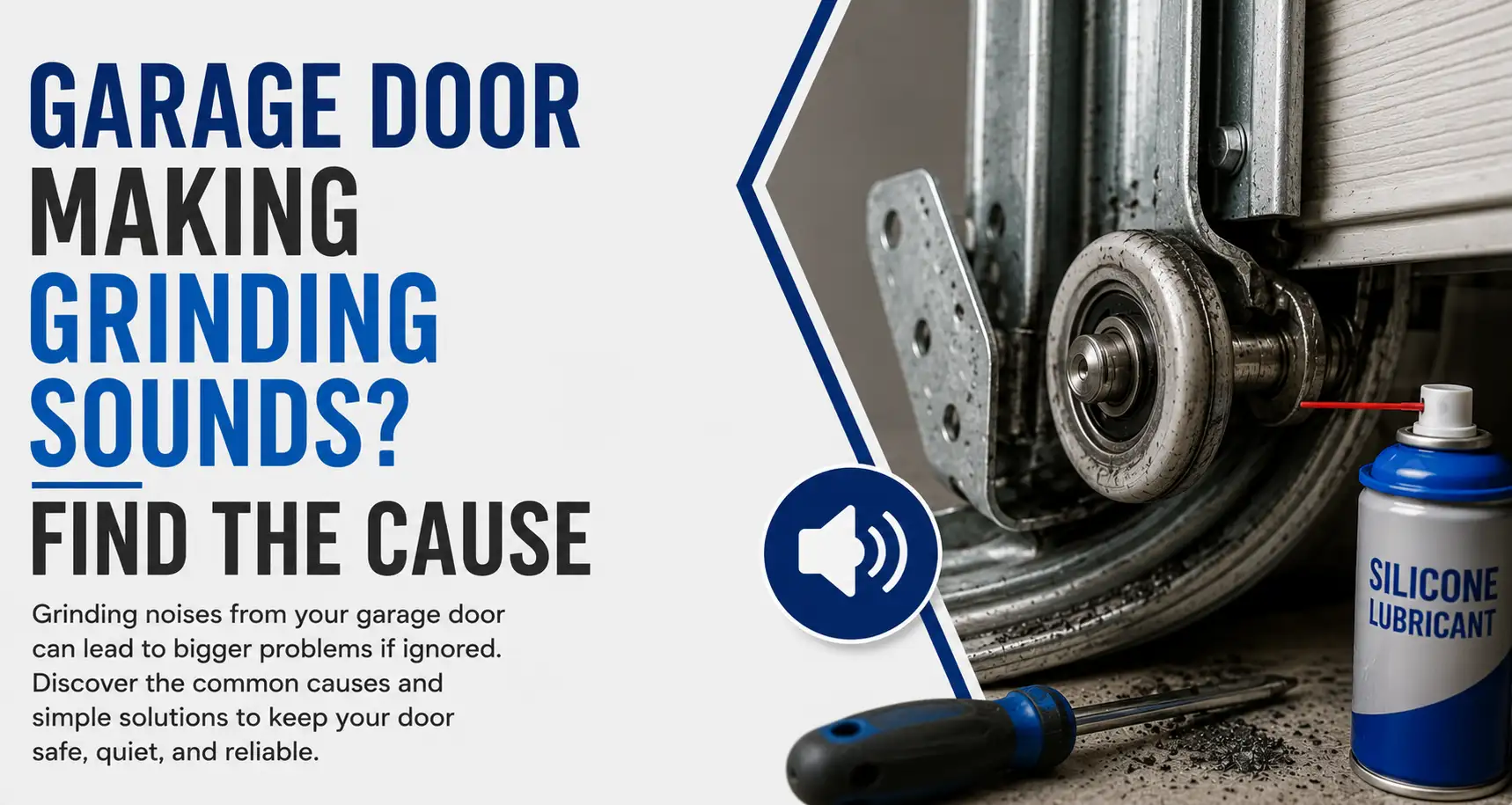
One of the easiest warning signs to recognize is unusual sound. A healthy opener produces a consistent operating noise. If you begin hearing grinding, squealing, rattling, or loud vibrations, the system is trying to tell you something isn’t right.
A garage door opener making strange noises may have several underlying causes, including:
- A worn-out motor
- Loose mounting hardware
- Damaged gears
- A failing chain or belt
- Dry moving components
- Internal bearing wear
These noises often become louder over time as components continue to deteriorate. While lubrication or tightening hardware may temporarily reduce the sound, persistent grinding usually indicates internal damage.
Many homeowners ignore excessive noise because the opener still functions. However, unusual sounds are often an early sign of larger mechanical failures. Waiting too long may result in complete motor failure, leaving the garage door unable to open when you need it most.
Modern openers are designed to operate much more quietly than older units. If excessive noise has become a daily annoyance, replacing the opener can significantly improve comfort while also increasing reliability.
The Motor Runs but the Door Doesn’t Move
Another common problem occurs when you hear the motor running, but the garage door remains stationary. This symptom often indicates serious internal damage.
The opener motor runs but door doesn’t move because the motor is producing power, but that power is no longer reaching the door. Common causes include:
- Broken internal gears
- Damaged trolley assembly
- Worn drive mechanism
- Stripped sprockets
- Failed disconnect system
In some situations, technicians can perform a garage opener motor replacement or replace individual mechanical components. However, if multiple internal parts have failed or the unit is older, replacing the complete opener usually provides a better long-term solution.
This issue can also place additional stress on other parts of the garage door system. Continuing to operate the opener while damaged may affect the springs, rails, or carriage assembly, leading to even more expensive repairs.
If this problem occurs repeatedly after previous repairs, it usually indicates that the opener has reached the end of its useful life. Instead of repeatedly replacing individual parts, installing a smart garage door opener offers better performance, improved security, quieter operation, and modern convenience.
A professional inspection can determine whether the issue is limited to one replaceable component or whether a complete garage door opener replacement is the most economical choice.
The Door Opens or Closes Inconsistently
One of the clearest signs your garage door opener needs replacement is inconsistent operation. Some days the door works perfectly, while other times it hesitates, stops midway, reverses unexpectedly, or refuses to respond altogether. Although these issues may seem minor at first, they often indicate that the opener is becoming unreliable.
Several factors can cause inconsistent opening and closing, including worn internal electronics, a failing motor, damaged gears, or problems with the control board. As these components continue to wear, the opener struggles to communicate with the rest of the garage door system, resulting in intermittent operation.
In some cases, the issue may be related to the garage door remote, weak batteries, or signal interference. However, if you’ve already replaced the batteries and reprogrammed the remote without success, the opener itself may be the problem.
It’s also important to remember that inconsistent movement puts additional strain on other garage door components. Springs, rollers, and tracks are designed to work with a smooth operating system. When the opener repeatedly starts and stops, these parts experience unnecessary stress, increasing the likelihood of additional repairs.
A professional garage door opener service can diagnose whether the problem is repairable. If the opener has multiple worn components or continues to fail after previous repairs, investing in a garage door opener replacement is usually the more practical and cost-effective solution.
The Garage Door Won’t Open or Close Completely
Another common warning sign is when the door begins stopping before it reaches the fully open or fully closed position. If your garage door won’t open or close completely, the issue should never be ignored because it directly affects both convenience and security.
Several mechanical and electrical problems can cause this behavior, including:
- A faulty garage door sensor
- Misaligned safety eyes
- Incorrect travel limit settings
- Electrical control board failure
- Damaged drive mechanism
- Motor wear
One of the most common causes is a safety sensor malfunction. Modern garage door openers are equipped with sensors near the bottom of the door that detect objects in its path. If these sensors become dirty, misaligned, or damaged, the opener may reverse direction or refuse to close completely.
Travel limit settings can also become inaccurate over time. These settings tell the opener how far the door should travel before stopping. While adjustments can sometimes solve the problem, repeated issues often point to internal electronic failure.
A partially open garage door also creates a security risk. Even a small opening may allow pests, moisture, or unauthorized individuals to enter your garage.
If you’ve experienced this issue multiple times and adjustments no longer solve the problem, replacing the opener with a new garage door opener provides greater reliability, improved safety features, and smoother operation.
Should I Repair or Replace My Garage Door Opener?
One of the most common questions homeowners ask is, should I repair or replace my garage door opener? The answer depends on the age of the opener, the type of problem, repair costs, and how often the unit has been failing.
Minor issues can often be repaired quickly and affordably. However, when breakdowns become frequent or repair costs continue to increase, replacing the opener usually becomes the smarter long-term investment.
Understanding the difference between repairable problems and signs of permanent wear can help you make an informed decision.
Situations Where Repair Is Enough
Not every malfunction means you need a new opener. Many smaller problems can be fixed without replacing the entire system.
Repairs are often appropriate when the problem involves:
- Misaligned garage door sensors
- Remote programming issues
- Loose wiring
- Travel limit adjustments
- Worn belts or chains
- Minor electrical faults
A qualified technician can inspect the opener and recommend the most affordable solution.
Routine garage door opener maintenance also prevents many of these smaller issues from developing into larger failures. Annual inspections, lubrication, and testing safety features can significantly extend the life of the opener.
If your opener is relatively new and has otherwise performed reliably, a professional garage door opener repair is usually worth considering.
When Replacement Is the Better Investment
There comes a point when repairing an aging opener simply no longer makes financial sense.
A complete garage door opener replacement is often recommended when:
- The opener is over 10 to 15 years old.
- Repairs have become frequent.
- Replacement parts are difficult to find.
- The motor is weakening.
- The unit lacks modern garage door safety features.
- Repair costs approach the price of a new system.
Older openers often consume more electricity, operate more loudly, and lack important security improvements such as rolling code technology.
Today’s systems are also far more convenient. Many homeowners choose to upgrade to a smart garage door opener because it allows them to monitor and control the garage door from a smartphone, receive activity alerts, and integrate the opener with smart home devices.
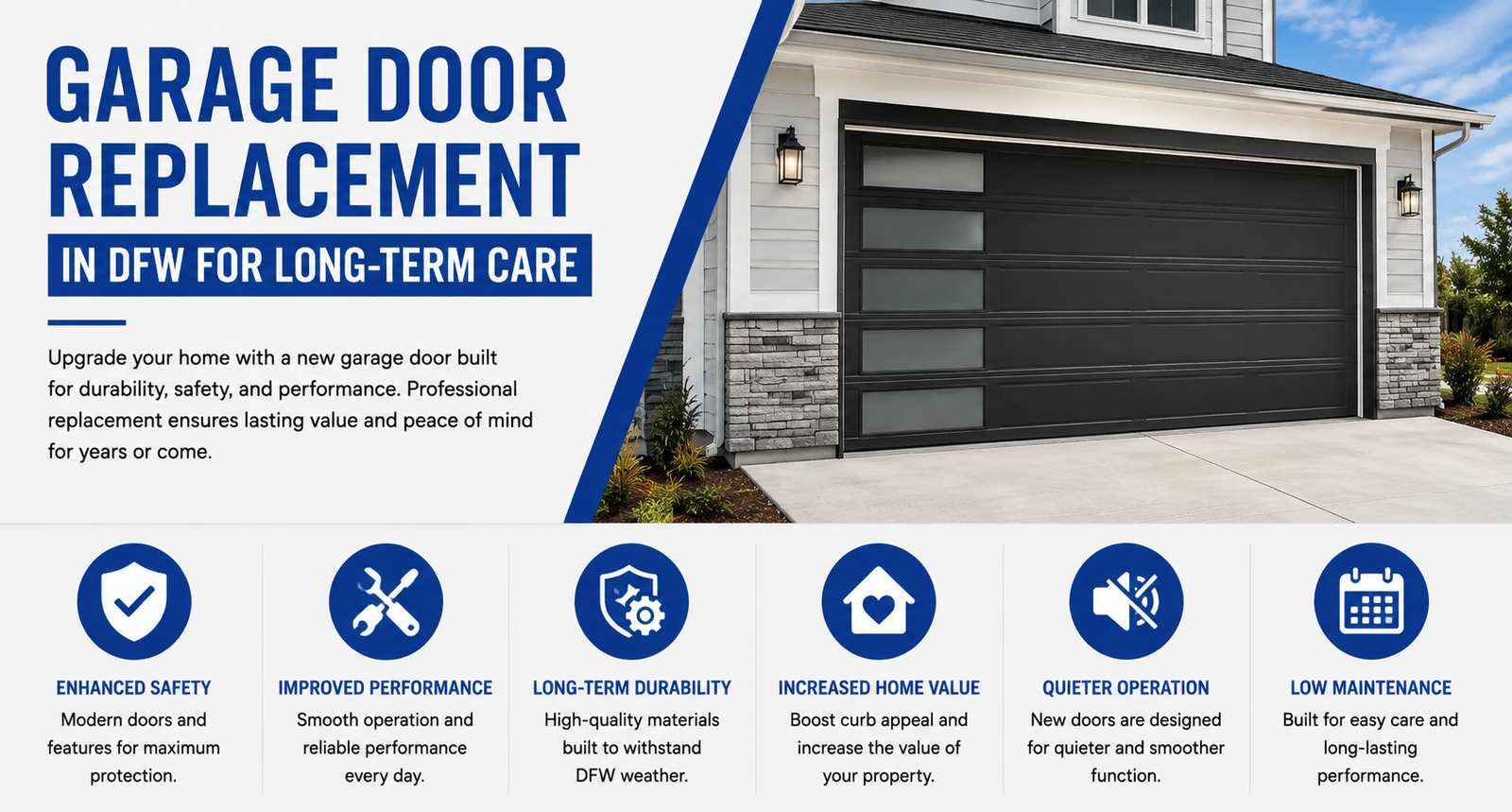
Replacing an outdated opener eliminates recurring repair bills while improving convenience, reliability, and home security for years to come.
Comparing Repair Costs vs. Replacement Costs
When deciding between repair and replacement, it’s important to consider long-term value rather than only the immediate repair bill.
For example, replacing a worn gear or circuit board may temporarily restore operation. However, if the motor, drive system, and electronics are already approaching the end of their lifespan, additional failures are likely to occur.
Many homeowners spend hundreds of dollars on repeated repairs over several years before finally replacing the opener. In many cases, purchasing a modern opener earlier would have been less expensive overall.
A new opener also comes with benefits that repairs cannot provide, including:
- Improved reliability
- Quieter performance
- Better energy efficiency
- Enhanced security
- Manufacturer warranty
- Reduced maintenance costs
If your opener has already required multiple service visits within a short period, replacement is often the better financial decision.
How to Know if Your Garage Door Opener Is Failing
Many garage door openers don’t stop working all at once. Instead, they gradually develop warning signs that become more noticeable over time. Learning how to know if your garage door opener is failing allows you to address problems before you’re left with a garage door that won’t operate.
Remote Signal Failure
If pressing your remote requires multiple attempts before the door responds, the issue may not always be the remote itself.
Common causes include:
- Remote signal failure
- Weak receiver
- Antenna damage
- Circuit board problems
- Electrical interference
While replacing the batteries is always the first step, continued communication issues often point toward internal opener failure.
Modern openers provide stronger wireless connectivity, making them more dependable than older systems.
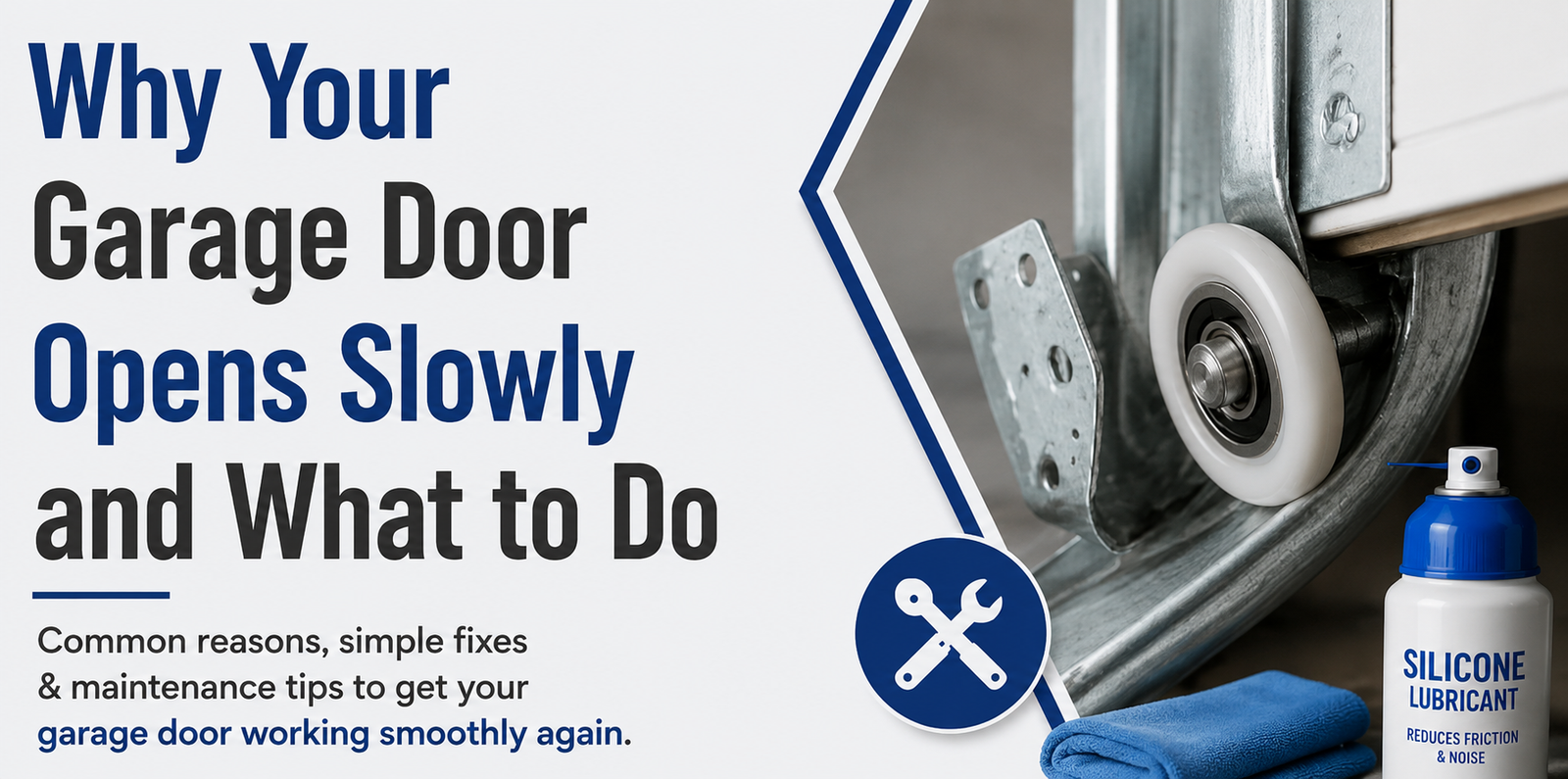
Slow or Delayed Operation
A healthy opener should respond almost immediately after you press the remote or wall button.
If the door hesitates before moving or operates much slower than it used to, several components may be wearing out.
Possible causes include:
- Aging motor
- Worn drive system
- Weak capacitor
- Electrical problems
- Increased friction
A slowing opener often continues to deteriorate over time. Delaying replacement can eventually lead to complete motor failure.
Garage Door Opens Randomly
A garage door opens randomly without anyone pressing the remote should always be taken seriously.
Possible causes include:
- Damaged wiring
- Short circuits
- Faulty wall control
- Remote interference
- Failing circuit board
Besides being inconvenient, random operation creates a significant security concern because your garage may open while you’re away from home.
If electrical testing confirms the opener is malfunctioning internally, replacement is generally safer than attempting repeated repairs.
Frequent Repairs Become Necessary
Perhaps the biggest sign of all is when your opener constantly needs service.
If your garage door opener frequently breaks down, you’re likely spending money repairing symptoms instead of solving the underlying problem.
Repeated failures often involve multiple aging components, including:
- Motor wear
- Internal gears
- Electronics
- Drive assembly
- Safety sensors
Instead of paying for repair after repair, replacing the unit restores dependable performance while reducing future maintenance expenses.
When an opener reaches this stage, a modern garage door opener replacement usually provides the greatest long-term value, giving you reliable operation, improved safety, and greater peace of mind.
Frequently Asked Questions
What are the signs that my garage door opener needs replacement?
Common signs include garage door opener making strange noises, frequent breakdowns, slow operation, inconsistent performance, and an opener that is more than 10 to 15 years old.
Should I repair or replace my garage door opener?
If the problem is minor, such as a sensor adjustment or remote issue, a garage door opener repair may be enough. However, repeated failures or costly repairs often make garage door opener replacement the better option.
How long does a garage door opener typically last?
Most residential garage door openers last between 10 and 15 years with proper garage door opener maintenance and regular inspections.
Can I replace a garage door opener myself?
While it’s possible, professional installation is recommended to ensure the opener is installed correctly, safety features are tested, and the system operates reliably.
What are the benefits of upgrading to a smart garage door opener?
A smart garage door opener offers remote access, real-time alerts, enhanced security, quieter operation, and convenient control from your smartphone.
Conclusion
Knowing the signs your garage door opener needs replacement can help you avoid unexpected breakdowns, improve home security, and save money on repeated repairs. If your opener is aging, making unusual noises, or no longer operating reliably, replacing it may be the most practical long-term solution. For expert guidance, professional installation, and dependable service, DFW Affordable Garage Door can help you choose the right opener to keep your garage operating safely and efficiently.