
If you are noticing unusual movement, noise, or resistance when your garage door opens or closes, you may already be dealing with the signs of worn garage door hinges. These issues often start small but quickly escalate into serious door panel damage or even complete door failure if ignored. At DFW Affordable Garage Door, we regularly see homeowners delay repairs until a minor hinge problem turns into a costly structural issue. If your system is acting up, especially during emergencies, you can get immediate help through our 24-hour garage door repair service.
Garage door hinges play a critical role in the smooth opening and closing of your system. When they weaken, bend, or break, they affect everything from the door panel alignment to the performance of your garage door opener. Understanding early warning signs can save you from expensive replacements and safety risks.
What Causes Garage Door Hinge Problems?
Most door hinge issues develop gradually due to constant stress, environmental exposure, and lack of maintenance. Whether you have residential hinges or heavy-duty commercial hinges, every hinge endures thousands of cycles each year.
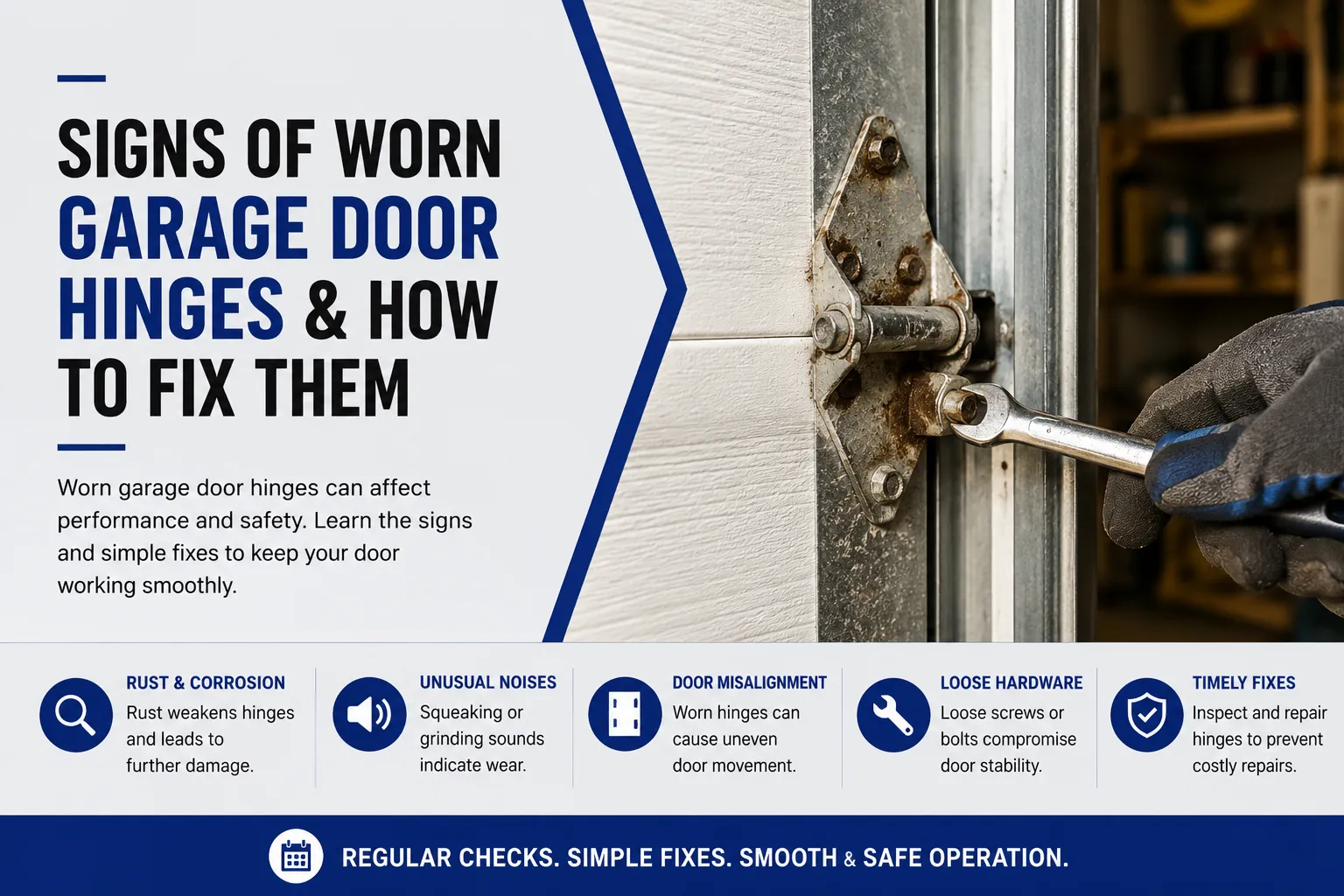
- Wear and tear: Constant movement weakens the hinge pin and metal joints.
- Rust and corrosion: Moisture causes old garage door hinges to deteriorate quickly.
- Misalignment: A bent garage door hinge affects the entire door frame.
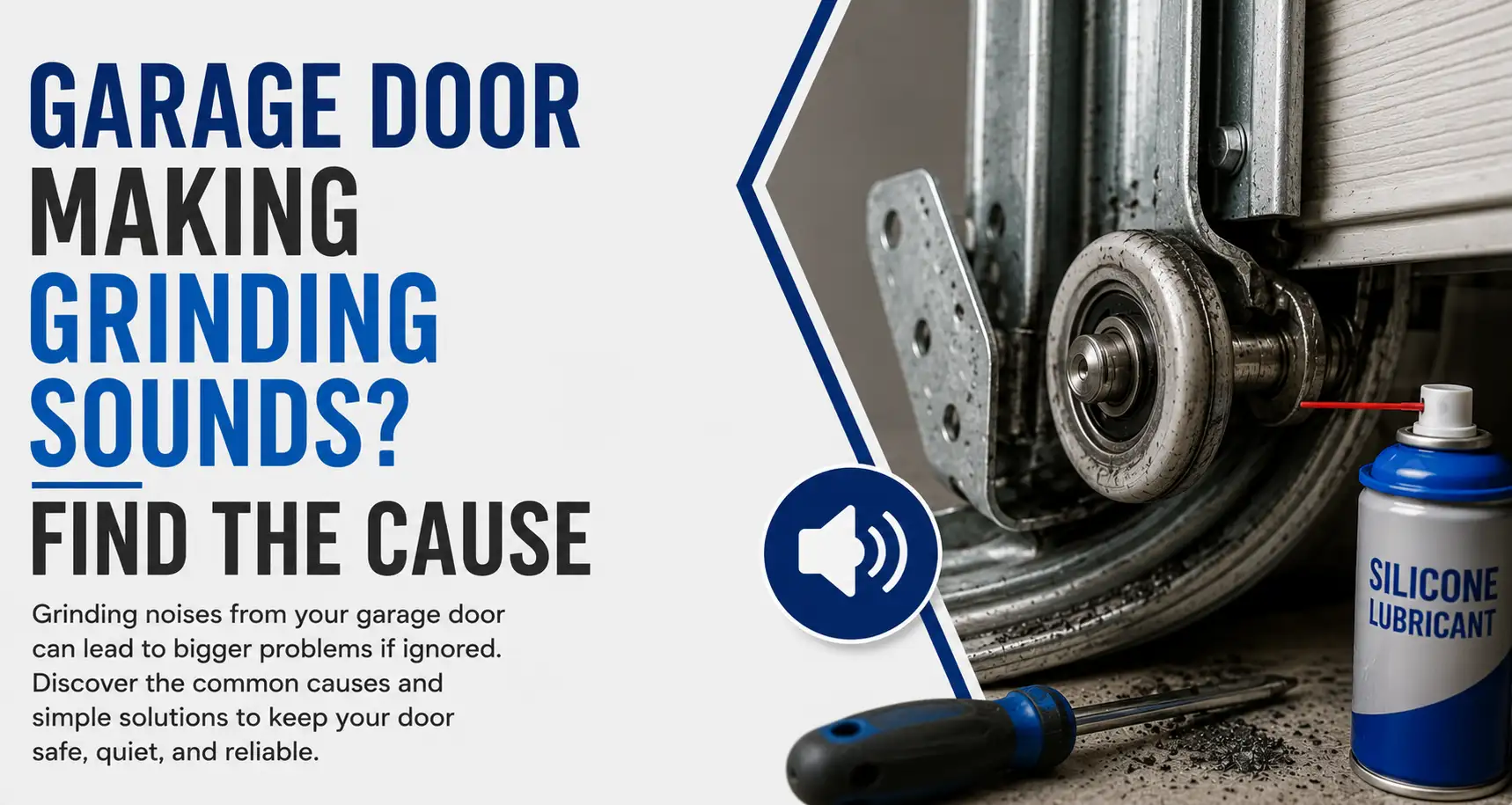
- Lack of lubrication: Without silicone spray, friction increases dramatically.
- Impact damage: Accidental force can break or bend hinges instantly.
When hinges start failing, they put extra strain on rollers, tracks, and even the garage door opener system.
DIY Checks and Basic Methods Homeowners Try
Before calling a professional, many homeowners try simple inspections to identify common door hinge problems. While these steps can help you spot issues early, they are not a long-term fix.
- Visually inspect each hinge number location for cracks or bending
- Listen for grinding or popping during door movement
- Check if the door panel shifts unevenly while closing
- Apply light lubrication like silicone spray to reduce friction
- Manually test hinge flexibility while the door is fully closed
If your door does not move smoothly or feels heavy during operation, it may be linked to deeper issues such as spring tension imbalance or track misalignment. You may also find related problems like garage door noise issues that indicate hinge stress.
Why DIY Garage Door Hinge Repairs Often Fail
While DIY solutions seem cost-effective, they rarely solve the root cause of hinge failure. Garage doors are heavy systems under high tension, and even a small mistake can lead to injury or further damage.
Here’s why DIY often fails:
- Hidden structural damage: Bent hinges often indicate deeper track or panel issues.
- Incorrect parts: Using the wrong types of garage door hinges leads to imbalance.
- Improper tension handling: Springs and cables can worsen hinge stress if not adjusted professionally.
- Temporary fixes: Lubrication only masks the real hinge problem.
Many homeowners also attempt repairs while ignoring related issues like misaligned tracks or failing rollers, which can escalate the damage. In some cases, doors stop responding entirely, similar to situations covered in our guide on garage door opener issues.
Risks of Using Chemicals or Temporary Fixes
Some homeowners rely heavily on sprays or lubricants to fix hinge noise or stiffness. While products like silicone spray help reduce friction, they do not repair structural damage in worn hinges.
Overuse of chemicals can also:
- Attract dust and debris, worsening hinge movement
- Mask serious hinge problem signs until failure occurs
- Damage surrounding components like rollers and strike plates
- Delay necessary professional inspection
According to the U.S. Department of Energy Energy Saver, regular mechanical maintenance is more effective than temporary chemical solutions for long-term system performance and safety.
Signs You Need Professional Garage Door Hinge Service
If you notice any of the following, your system likely requires immediate professional attention:
- Visible garage door hinge bent or cracked metal
- Door shakes or jerks during opening and closing
- Uneven movement between door panels
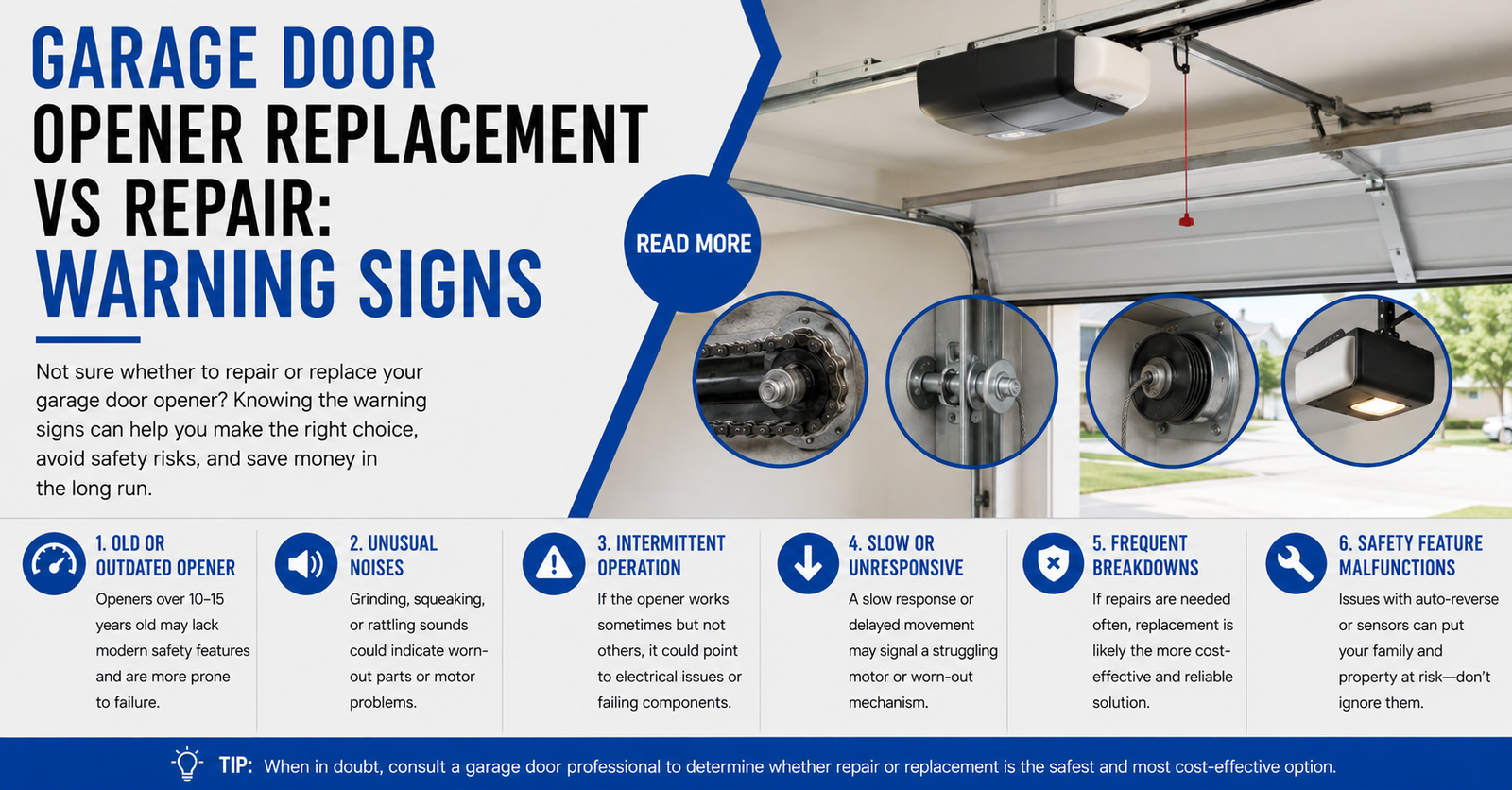
- Loud squeaking or grinding noises
- Door feels heavy or stuck mid-operation
- Repeated hinge loosening even after tightening
If these symptoms are ignored, they can lead to complete hinge breakage or even a full door collapse. In severe cases, emergency service like emergency garage door repair becomes necessary.
Why Homeowners Trust DFW Affordable Garage Door
At DFW Affordable Garage Door, we specialize in diagnosing and repairing all garage door hinge broken issues across residential and commercial systems. Our technicians understand how hinge failures affect the entire door structure, including panels, tracks, and opener systems.
We provide:
- Complete hinge inspection and replacement
- Heavy-duty hinge upgrades for long-term durability
- Precision alignment for door panels and frames
- Full system safety checks including springs and cables
- Fast local service across multiple Texas areas
Explore our local service pages: Dallas repair, Frisco service, and Fort Worth repair.
We also offer full system inspections through our garage door inspection service to detect early hinge failures before they turn into costly repairs.
FAQs – Signs of Worn Garage Door Hinges
What are the signs of worn garage door hinges?
Common signs include squeaking, uneven door movement, visible rust, and bending in hinge plates. You may also notice the door shifting during operation or increased strain on the garage door opener when opening or closing.
Can a garage door hinge broken cause full door failure?
Yes, a garage door hinge broken can cause panel misalignment, track stress, and eventual system failure. If ignored, it may damage rollers, cables, and even the opener, making the door unsafe and expensive to repair.
What are the types of garage door hinges?
The types of garage door hinges vary by strength and placement. Light residential hinges are used for standard doors, while heavy-duty and commercial hinges are designed for larger, more frequently used systems requiring stronger support.
Why do old garage door hinges fail faster?
Old garage door hinges fail due to rust, metal fatigue, and lack of lubrication. Over time, constant opening and closing weakens the hinge pin and increases friction, leading to bending or complete breakage under pressure.
How do door hinge issues affect door performance?
Door hinge issues cause misalignment, noisy operation, and uneven movement. They can also strain the garage door opener and other components, making the entire system less efficient and more prone to sudden breakdowns.
Can I fix a garage door hinge bent on my own?
A garage door hinge bent can sometimes be temporarily adjusted, but it is not recommended as a DIY fix. Improper handling can worsen structural damage or cause injury due to the heavy tension in garage doors.
When should I replace garage door hinges?
Replace hinges when you notice cracks, bending, or repeated loosening. If lubrication no longer helps and movement remains rough, it’s time for professional replacement to prevent further damage to panels and tracks.
Conclusion: Don’t Ignore Early Hinge Warning Signs
The signs of worn garage door hinges are often subtle at first but quickly turn into serious mechanical failures if ignored. From loose hinges to bent panels, every symptom indicates stress on your entire garage system. Addressing these issues early protects your door frame, improves safety, and prevents costly repairs.
If your garage door is showing any of these warning signs, it’s best to have it inspected by professionals before the damage spreads. DFW Affordable Garage Door provides reliable diagnostics and repair solutions designed to restore smooth and safe operation.