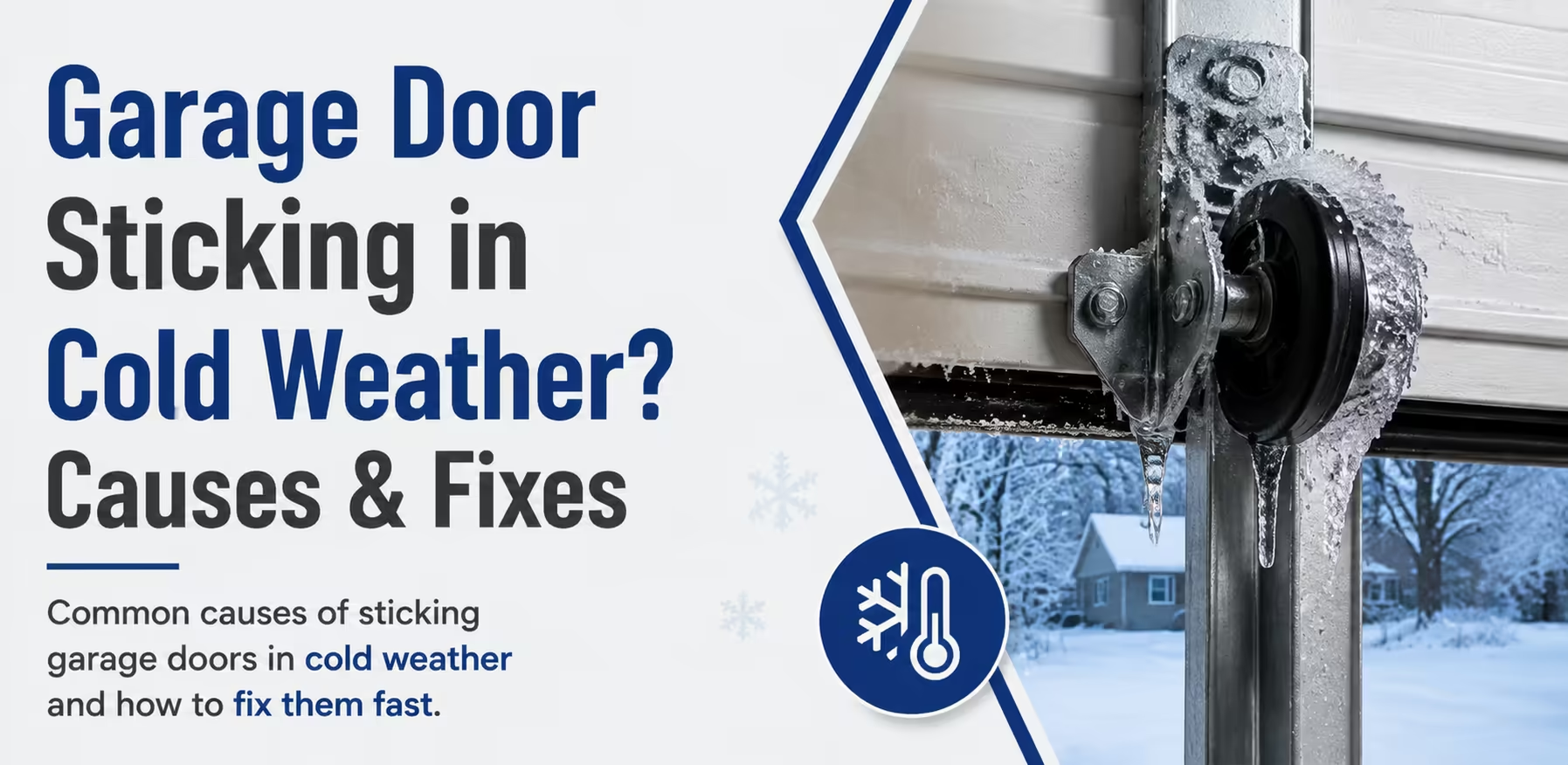

Garage door sticking in cold weather usually means the rollers, tracks, or lubricant have stiffened or dried out from the temperature drop. Dallas homeowners often notice this issue during winter cold snaps, when overnight temperatures swing sharply compared to daytime highs. This guide from DFW Affordable Garage Door explains exactly why garage doors stick in cold weather and how to fix it safely in 2026.
What Does It Mean When a Garage Door Sticks?
A sticking garage door means the door hesitates, jerks, or stops partway instead of moving smoothly along the track. This differs from a door that won’t open at all, which usually points to a bigger problem like a broken spring or cable. Sticking is most often a friction problem: something along the rollers, tracks, or hinges is not moving as freely as it should.
Cold weather makes friction problems worse because metal contracts slightly and old lubricant thickens, which is why sticking often shows up suddenly during a cold snap rather than building up gradually.
Why Does Cold Weather Cause Garage Doors to Stick?
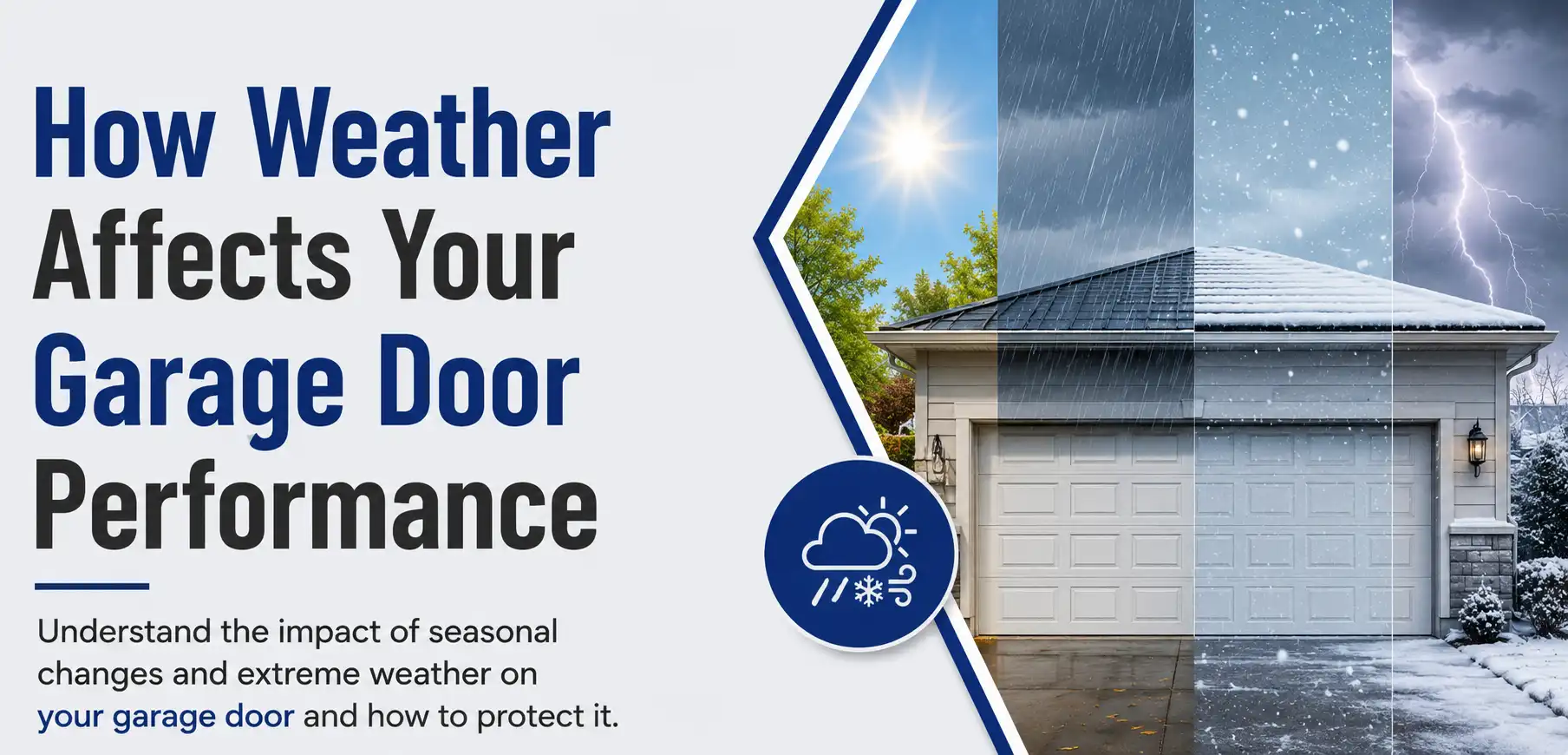
Cold weather causes garage doors to stick because lubricant thickens, metal components contract slightly, and rollers lose flexibility in low temperatures. Dallas doesn’t see the extreme cold of northern states, but sharp overnight temperature drops still stress garage door hardware enough to cause noticeable sticking.
Nylon rollers handle temperature swings better than steel rollers, which can stiffen and squeak more in cold conditions. Our comparison of nylon vs. steel garage rollers breaks down which roller type holds up better through Dallas’s seasonal temperature changes.
Old or incorrect lubricant is often the real culprit. Many homeowners use general-purpose oil instead of a garage-door-specific lubricant, and that oil thickens faster once temperatures drop.
How Do You Fix a Sticking Garage Door?
Fixing a sticking garage door starts with inspecting the tracks and rollers, then cleaning, lubricating, and testing the door’s movement. DFW Affordable Garage Door follows this same process on every service call in Dallas.
- Inspect: Check the tracks, rollers, and hinges for dirt, rust, or visible wear.
- Clean: Remove built-up grime and old, thickened lubricant from the track.
- Lubricate: Apply a silicone-based, garage-door-specific lubricant to rollers and hinges.
- Test: Run the door through a full cycle to confirm smooth, even movement.
If sticking continues after cleaning and lubrication, the tracks themselves may be misaligned. A quick way to check this is running a balance test, since a door that sticks in one specific spot every time often points to a track or roller problem rather than lubrication alone.
Benefits of Fixing a Sticking Garage Door Early
Fixing a sticking garage door early prevents bigger repairs, extends the life of the opener motor, and keeps the door safer to use. A door that sticks regularly puts extra strain on parts that were never designed for repeated resistance.
- Prevents added strain on the garage door opener motor
- Reduces the risk of rollers jumping the track
- Keeps the door balanced and safer for everyday use
- Avoids more expensive spring or cable repairs down the line
- Cuts down on noise from grinding or squeaking hardware
Regular maintenance is the simplest way to avoid sticking in the first place. Our garage door maintenance guide for Texas homeowners covers a seasonal checklist that catches small issues before cold weather turns them into bigger problems.
Common Mistakes When Dealing With a Sticking Garage Door
The most common mistake is using the wrong lubricant, like WD-40 or general household oil, instead of a silicone-based garage door lubricant. These products attract dust and dry out faster, which makes sticking worse over time rather than better.
- Using WD-40 or household oil instead of proper garage door lubricant
- Forcing the door open manually when it sticks, risking rollers popping off track
- Ignoring sticking until the opener motor starts struggling or straining
- Skipping a full track inspection and only lubricating the visible parts
Understanding how torsion springs and cables interact with the door’s overall movement also helps homeowners avoid unsafe DIY attempts. Modern garage doors rely on spring-loaded systems for smooth operation, which is why sticking issues should be handled carefully rather than forced.
Another overlooked mistake is ignoring a sticking door on one side only, which almost always means an alignment problem rather than a lubrication issue.
Cost Factors for Garage Door Sticking Repairs
Repair cost for a sticking garage door depends mainly on whether the fix is basic maintenance or involves replacing worn parts like rollers or tracks. The table below breaks down what typically affects pricing.
| Factor | Lower Cost Range | Higher Cost Range |
| Issue type | Cleaning and lubrication only | Roller or track replacement |
| Roller material | Nylon roller replacement | Steel ball-bearing roller replacement |
| Track condition | Minor realignment | Bent or damaged track replacement |
| Door type | Single garage door | Double or heavier garage door |
A basic cleaning and lubrication service resolves most cold-weather sticking issues, so most Dallas homeowners fall on the lower end of this range.
How to Choose the Right Garage Door Repair Service
Choose a garage door repair service by checking for proper diagnosis before repair, transparent pricing, and experience with your specific door type. This checklist helps Dallas homeowners compare providers before booking a service call.
- Confirm the technician inspects tracks, rollers, and hinges before quoting a fix
- Ask whether they use silicone-based, garage-door-specific lubricant
- Check that pricing is clear before work begins, not after
- Ask about warranty coverage on parts like rollers and tracks
Reading real homeowner feedback can also help before choosing a provider. Garage door repair often include honest experiences from homeowners who dealt with recurring sticking issues, which can highlight questions worth asking upfront.
Frequently Asked Questions
Why does my garage door only stick in cold weather?
Cold weather thickens lubricant and causes metal parts to contract slightly, which increases friction along the tracks and rollers. This is why a door can move smoothly all summer and suddenly stick during a winter cold snap.
What lubricant should I use on a sticking garage door?
Use a silicone-based garage door lubricant, not WD-40 or general household oil. Silicone-based products resist thickening in cold weather and do not attract as much dust and debris over time.
Can a sticking garage door damage the opener?
Yes, a sticking door forces the opener motor to work harder than normal, which can wear it out faster over time. Fixing sticking early protects the opener from unnecessary strain.
Is it safe to force a stuck garage door open?
No, forcing a stuck garage door can cause rollers to jump the track or put dangerous stress on the springs and cables. Stop and inspect the issue, or call a professional, instead of forcing the door manually.
How often should garage door tracks be lubricated?
Most garage doors need lubrication every three to six months, with an extra check before winter weather sets in. Homes in Dallas benefit from a fall inspection to catch sticking issues before cold nights make them worse.
Final Thoughts
A sticking garage door in cold weather is usually a fixable friction problem, not a sign the whole system is failing. DFW Affordable Garage Door inspects, cleans, and lubricates every part of the track system to stop sticking at the source for Dallas homeowners. Schedule a service call today to keep your garage door running smoothly through every season.