
Your garage door is one of the largest moving components in your home, and its smooth operation depends on several essential parts working together. While homeowners often focus on the garage door opener or springs, the rollers are equally important. These small components guide the door along the tracks, allowing it to open and close safely and quietly. When garage door rollers begin to wear out, they can cause a variety of issues that affect both the performance and safety of your garage door.
Unfortunately, roller problems are easy to overlook because they develop gradually. A slight squeak, minor vibration, or slower movement may not seem like a major concern at first. However, ignoring these warning signs can lead to damaged tracks, excessive strain on the opener, broken components, or even a garage door that comes off its tracks.
Learning how to identify common garage door roller problems early can help you avoid expensive repairs and extend the life of your entire garage door system.
At DFW Affordable Garage Door, we help homeowners throughout the Dallas-Fort Worth area diagnose and repair garage door roller issues before they become major problems. Regular inspections and timely maintenance keep your garage door operating safely, quietly, and efficiently.
Why Garage Door Rollers Are So Important
Professional Garage door rollers are attached to the sides of the door and move inside the metal tracks every time the door opens or closes. Their primary function is to guide the door smoothly while supporting its weight.When rollers are in good condition, the garage door moves quietly with minimal resistance. As rollers wear down, however, the door begins placing additional stress on other components, including the tracks, hinges, cables, springs, and garage door opener.
Replacing worn rollers early is often far less expensive than repairing multiple damaged parts later.
Signs Your Garage Door Rollers May Be Wearing Out
Garage door rollers rarely fail without warning. Most homeowners notice small changes in the door’s operation before a complete failure occurs.
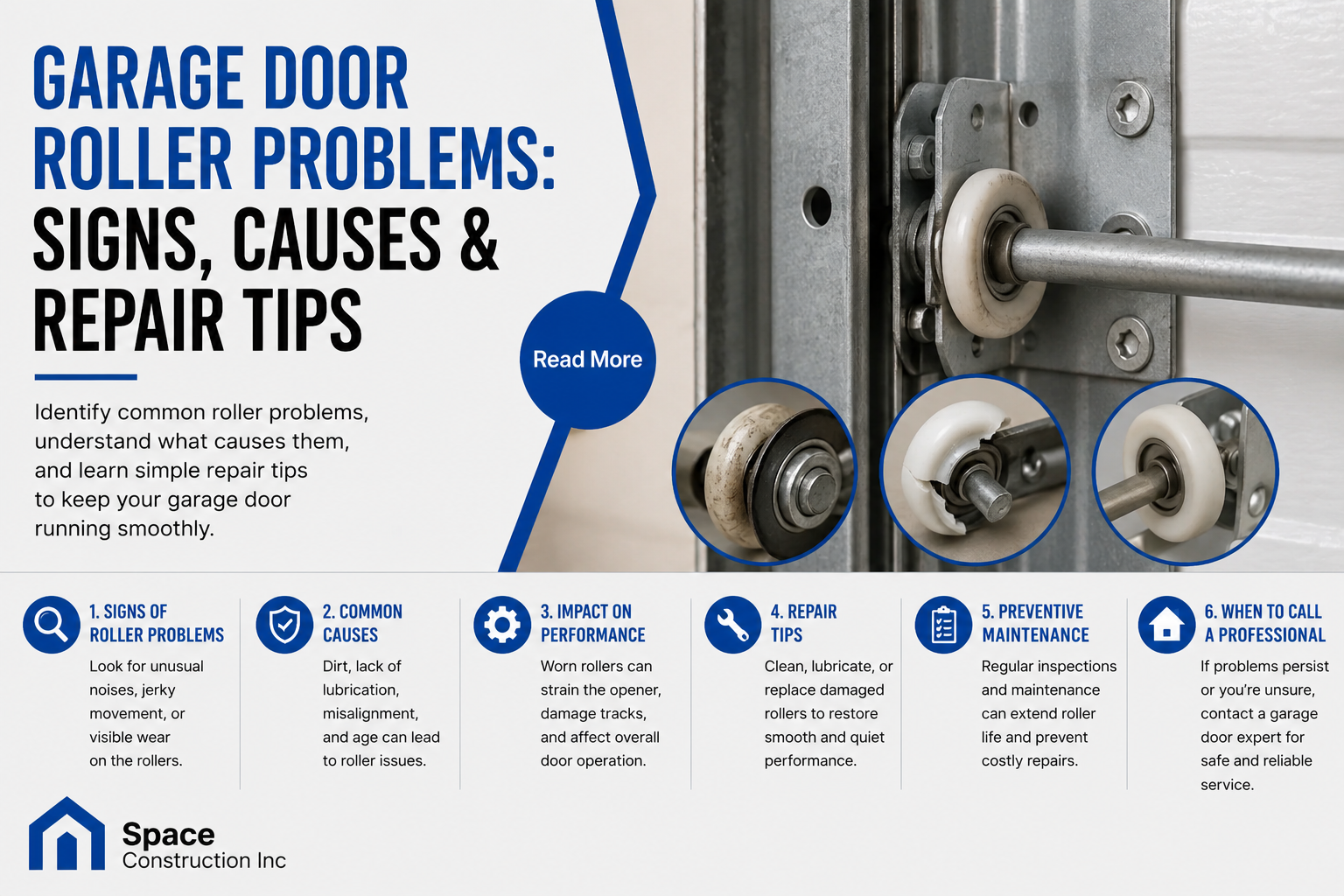
Some of the most common warning signs include unusual noises, jerky door movement, increased vibration, uneven operation, difficulty opening or closing, visible roller damage, and excessive wobbling inside the tracks.
Recognizing these symptoms early allows repairs to be completed before additional damage develops.
Excessive Noise During Operation
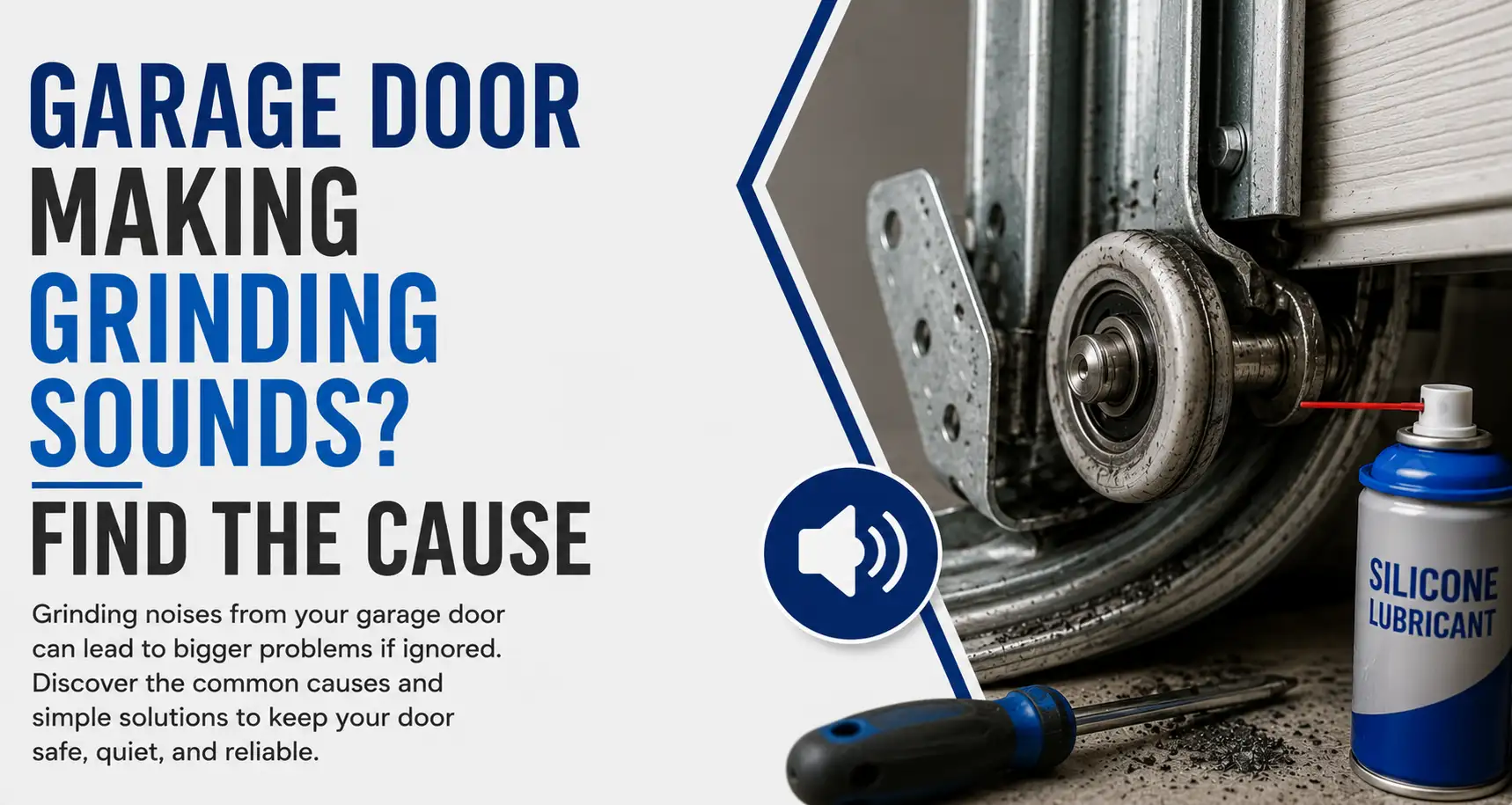
One of the earliest signs of worn garage door rollers is increased noise.If your garage door begins making squeaking, grinding, rattling, or scraping sounds, the rollers may be losing their ability to move smoothly through the tracks.Steel rollers often become noisy as they age, especially if they lack proper lubrication. Nylon rollers, while generally quieter, can also wear down over time and begin producing unusual sounds.
If lubricating the rollers does not reduce the noise, it may be time for a professional inspection.
Slow or Jerky Door Movement
A properly functioning garage door should move smoothly from start to finish.When rollers become worn, cracked, or damaged, the door may hesitate, shake, or jerk during operation.You might notice the door briefly sticking before continuing upward or downward.Jerky movement places unnecessary strain on the garage door opener and other mechanical components, increasing the risk of additional repairs.
Visible Wear and Tear
Garage door rollers should be inspected periodically for physical damage.
Common signs include:
- Cracked roller wheels
- Flattened or worn edges
- Broken bearings
- Rust or corrosion
- Loose stems
- Missing pieces of nylon
Even minor damage can affect how the roller travels inside the track.
If any roller appears damaged, replacing the entire set is often recommended to ensure consistent performance.
Garage Door Vibrations
A garage door that vibrates excessively during operation often indicates roller problems.Healthy rollers allow the door to glide smoothly with minimal movement.Damaged rollers create resistance, causing the entire door to shake while opening or closing.
These vibrations may also loosen hardware over time, creating additional maintenance issues.
Rollers Coming Off the Track
One of the most serious roller problems occurs when rollers begin slipping partially or completely out of the track.This may happen because of worn rollers, bent tracks, loose hardware, accidental impact, or improper alignment.A garage door operating with rollers off the track becomes extremely dangerous.
If you notice this problem, stop using the garage door immediately and contact a professional technician.
Bent or Damaged Tracks
Although tracks are separate components, worn rollers often contribute to track damage.As damaged rollers drag or bind inside the track, excessive pressure may cause the metal to bend or become misaligned.Once the tracks are damaged, even new rollers may not operate correctly until the tracks are repaired or replaced.
Routine inspections help prevent this chain reaction.
Roller Bearings Wearing Out
Many garage door rollers contain bearings that reduce friction during movement.Over time, these bearings wear out due to constant use, dust accumulation, moisture, and lack of lubrication.Failed bearings often create grinding noises and make the door noticeably harder to operate.
Replacing worn rollers before complete bearing failure helps protect the rest of the garage door system.
Rust and Corrosion
Moisture is one of the biggest enemies of steel garage door rollers.Rust can develop gradually, making the rollers difficult to rotate freely.Corrosion increases friction, causes noisy operation, and accelerates wear on both the rollers and tracks.
Regular lubrication and routine maintenance help reduce the effects of rust, but severely corroded rollers should be replaced.
Uneven Door Movement
If one side of the garage door appears to move differently than the other, worn rollers may be contributing to the problem.Uneven movement places additional stress on the cables, springs, and opener.Ignoring this issue increases the likelihood of more expensive repairs later.
A professional technician can inspect the entire door system to determine whether the rollers are responsible.
Increased Strain on the Garage Door Opener
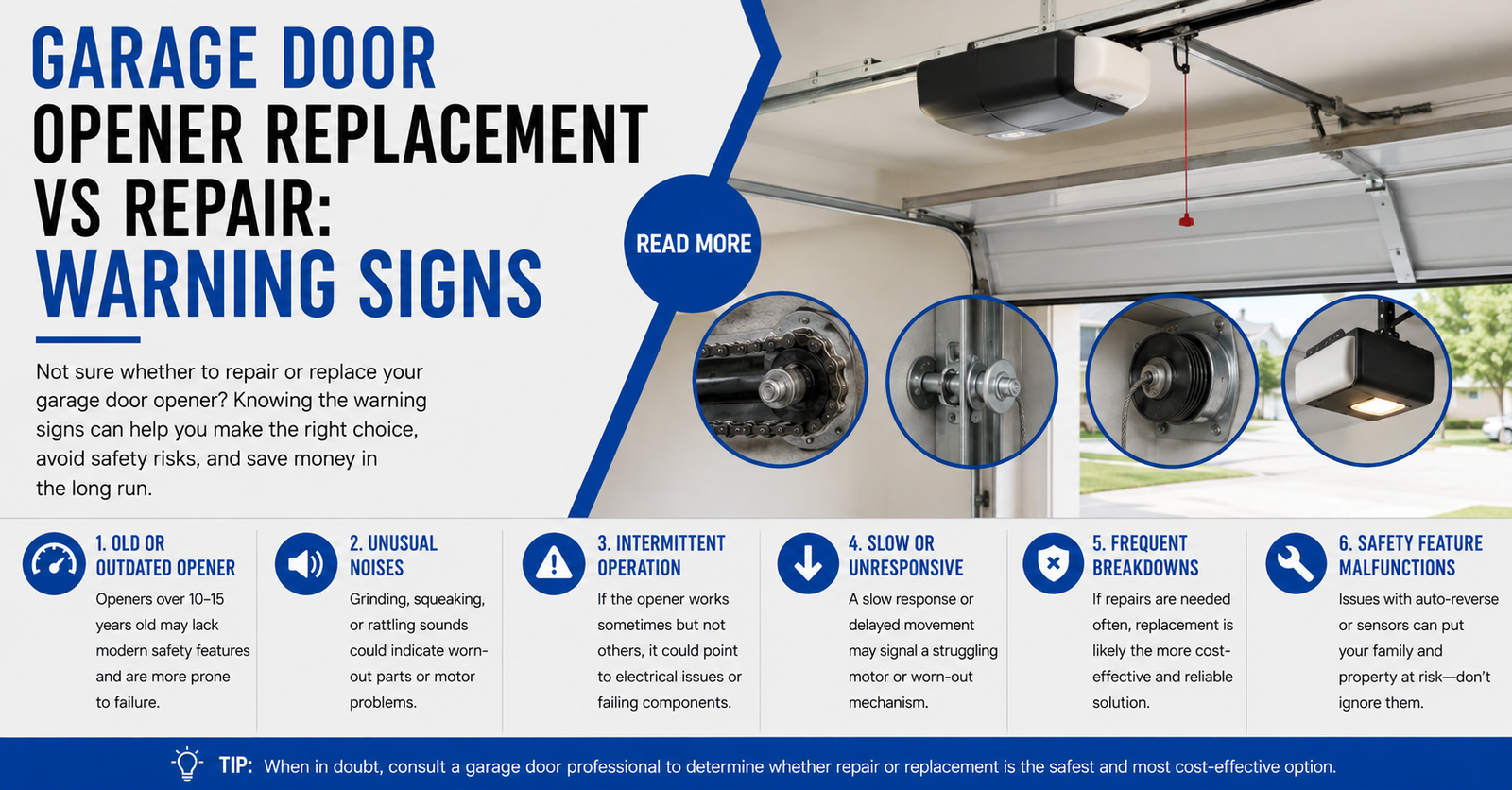
When rollers no longer move freely, the garage door opener must work harder to lift and lower the door.Over time, this additional strain can shorten the lifespan of the opener’s motor and internal gears.
Replacing worn rollers often restores smooth operation while reducing unnecessary wear on the opener.
Different Types of Garage Door Rollers
Not all garage door rollers are the same. The type installed on your garage door affects both performance and longevity.
Plastic Rollers
Plastic rollers are the most affordable option but generally wear out the fastest. They are commonly found on builder-grade garage doors and may require replacement after only a few years.
Steel Rollers
Steel rollers are durable and strong but tend to produce more noise as they age. They require regular lubrication to maintain smooth operation.
Nylon Rollers
Nylon rollers are considered one of the best options for residential garage doors. They operate quietly, require less maintenance, and typically last much longer than plastic rollers.
At DFW Affordable Garage Door, we often recommend high-quality nylon rollers for homeowners seeking quieter and more reliable garage door performance.
Preventive Maintenance Tips
Regular maintenance significantly extends roller life.
Homeowners should inspect rollers several times each year for cracks, rust, or unusual wear. Keeping the tracks clean helps prevent debris from interfering with smooth operation. Lubricating moving parts with a garage door-specific lubricant reduces friction and minimizes noise.
It’s also important to tighten loose hardware and schedule professional inspections annually to identify problems before they become serious.
Preventive maintenance costs far less than emergency repairs or complete garage door replacements.
When to Call a Professional
Some roller issues may seem minor initially, but garage doors are heavy systems operating under significant tension. Attempting repairs without proper tools or training can lead to serious injury or additional damage. Professionals specializing in Commercial Garage Door Repair & Installation In DFW have the equipment and expertise to safely replace rollers, inspect tracks, adjust alignment, and ensure the entire garage door system operates correctly. If your garage door becomes noisy, jerky, uneven, or difficult to operate, scheduling a professional inspection is the safest and most reliable solution.
Why Choose DFW Affordable Garage Door?
At DFW Affordable Garage Door, we understand how important a reliable garage door is for your home’s security and convenience. Our experienced technicians provide thorough inspections, roller replacements, track adjustments, maintenance services, and complete garage door repairs throughout the Dallas-Fort Worth area.
We use high-quality replacement parts, deliver honest recommendations, and focus on long-lasting solutions that keep your garage door operating safely and efficiently.
Whether you need routine maintenance or emergency repairs, our team is committed to providing dependable service and exceptional customer care.
Conclusion
Garage door rollers may be small, but they play a critical role in the safe and smooth operation of your garage door. Ignoring early warning signs such as unusual noises, vibrations, slow movement, or visible wear can lead to more extensive and costly repairs over time.
By recognizing common roller problems early and scheduling professional maintenance when needed, homeowners can protect their garage door system, improve safety, and extend the lifespan of important components.
At DFW Affordable Garage Door, we proudly help homeowners keep their garage doors operating at peak performance with expert inspections, roller replacements, and reliable repair services. If you notice signs of worn or damaged rollers, don’t wait until the problem gets worse contact our experienced team for prompt and professional assistance.
Frequently Asked Questions
How long do garage door rollers typically last?
Most garage door rollers last between 7 and 15 years, depending on the material, usage frequency, and maintenance.
What causes garage door rollers to wear out?
Normal use, lack of lubrication, dirt buildup, moisture, rust, and aging bearings are the most common causes of roller wear.
Can I replace garage door rollers myself?
Because garage doors operate under high tension, roller replacement is best left to trained professionals to ensure safe and proper installation.
Which type of garage door roller is best?
High-quality nylon rollers are often recommended because they operate quietly, require less maintenance, and generally last longer than plastic rollers.
How often should garage door rollers be inspected?
A visual inspection every few months and a professional inspection once a year can help identify roller problems before they become major repairs.
Why choose DFW Affordable Garage Door for roller repairs?
DFW Affordable Garage Door provides experienced technicians, high-quality replacement parts, honest recommendations, and reliable garage door repair services to keep your garage door operating safely and efficiently.